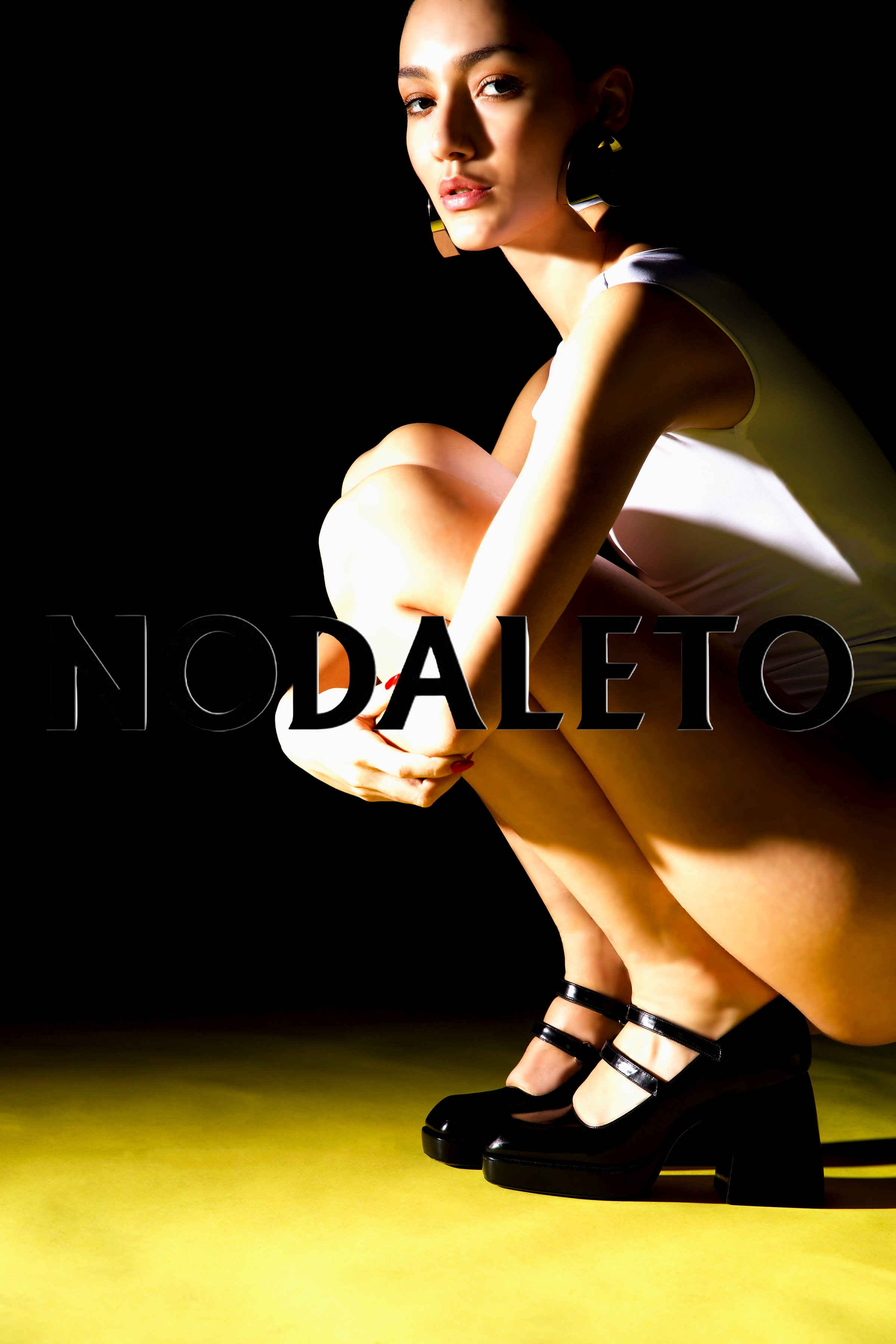
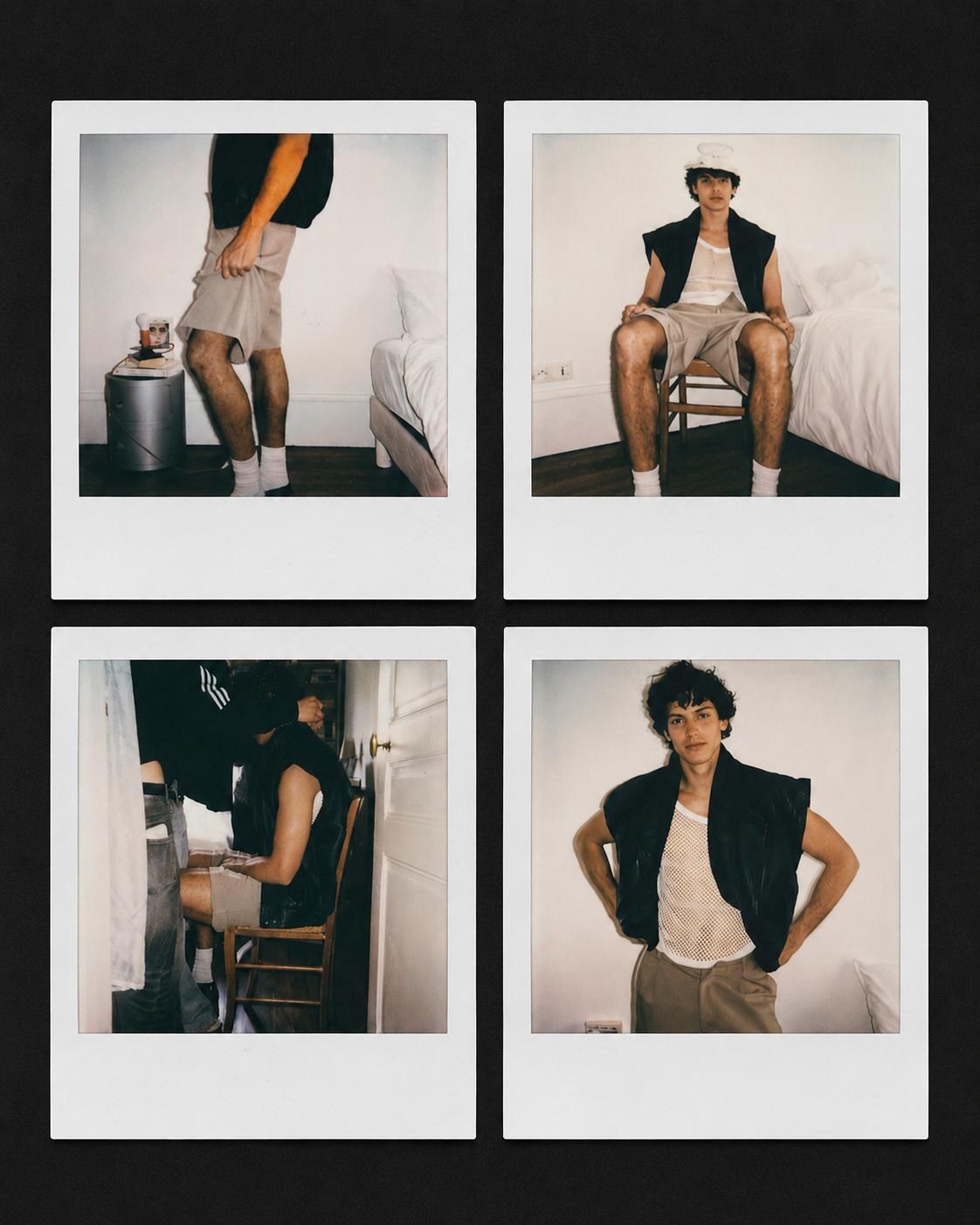
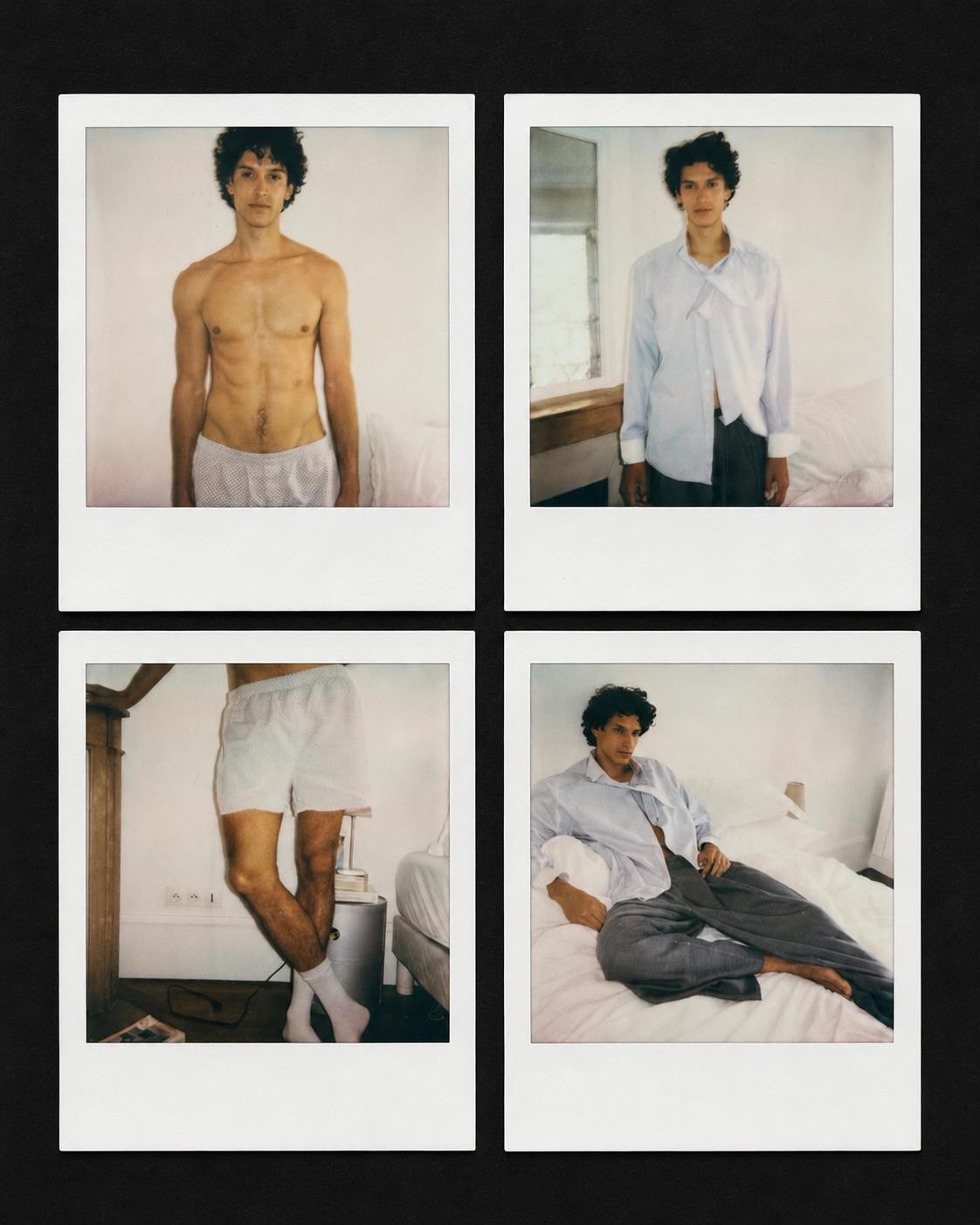
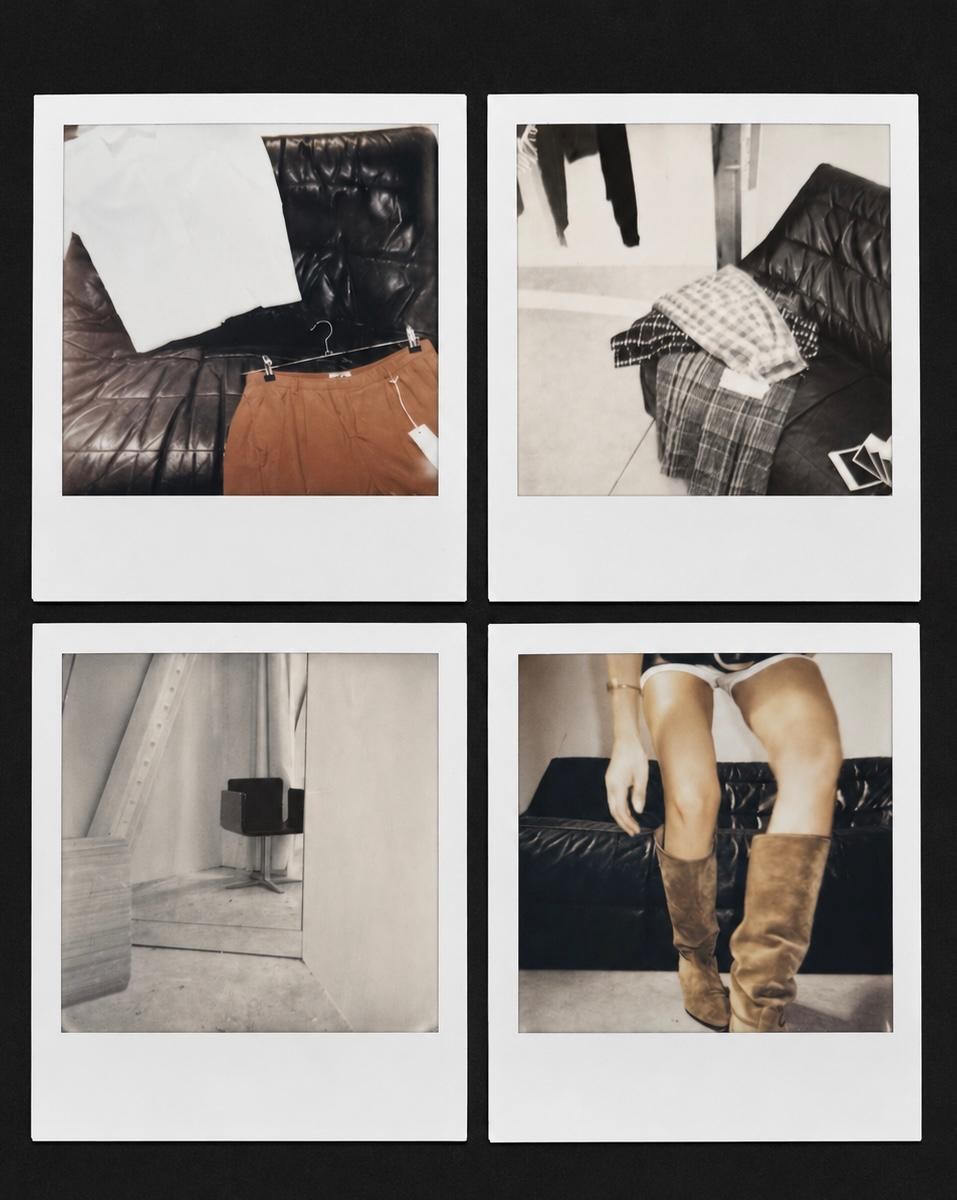
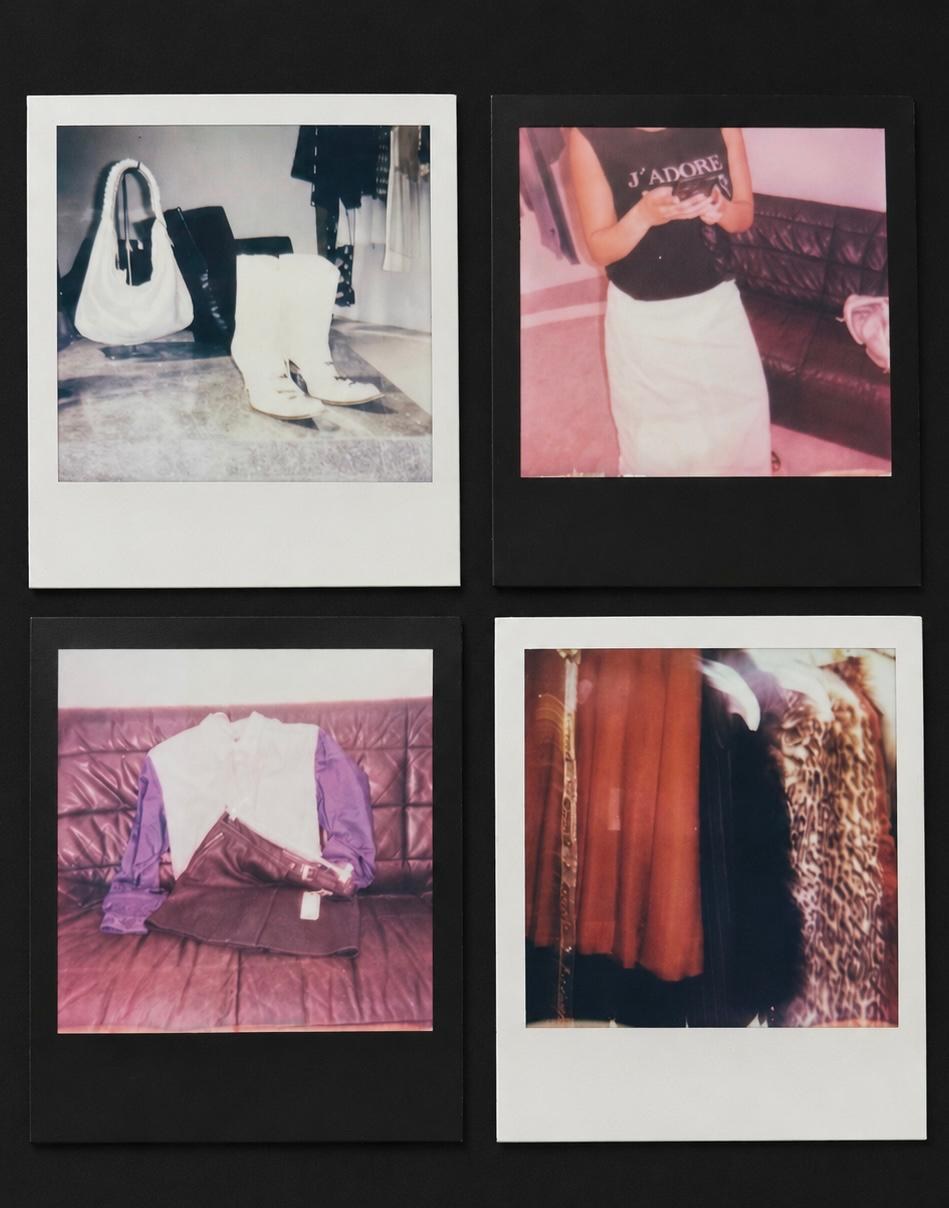
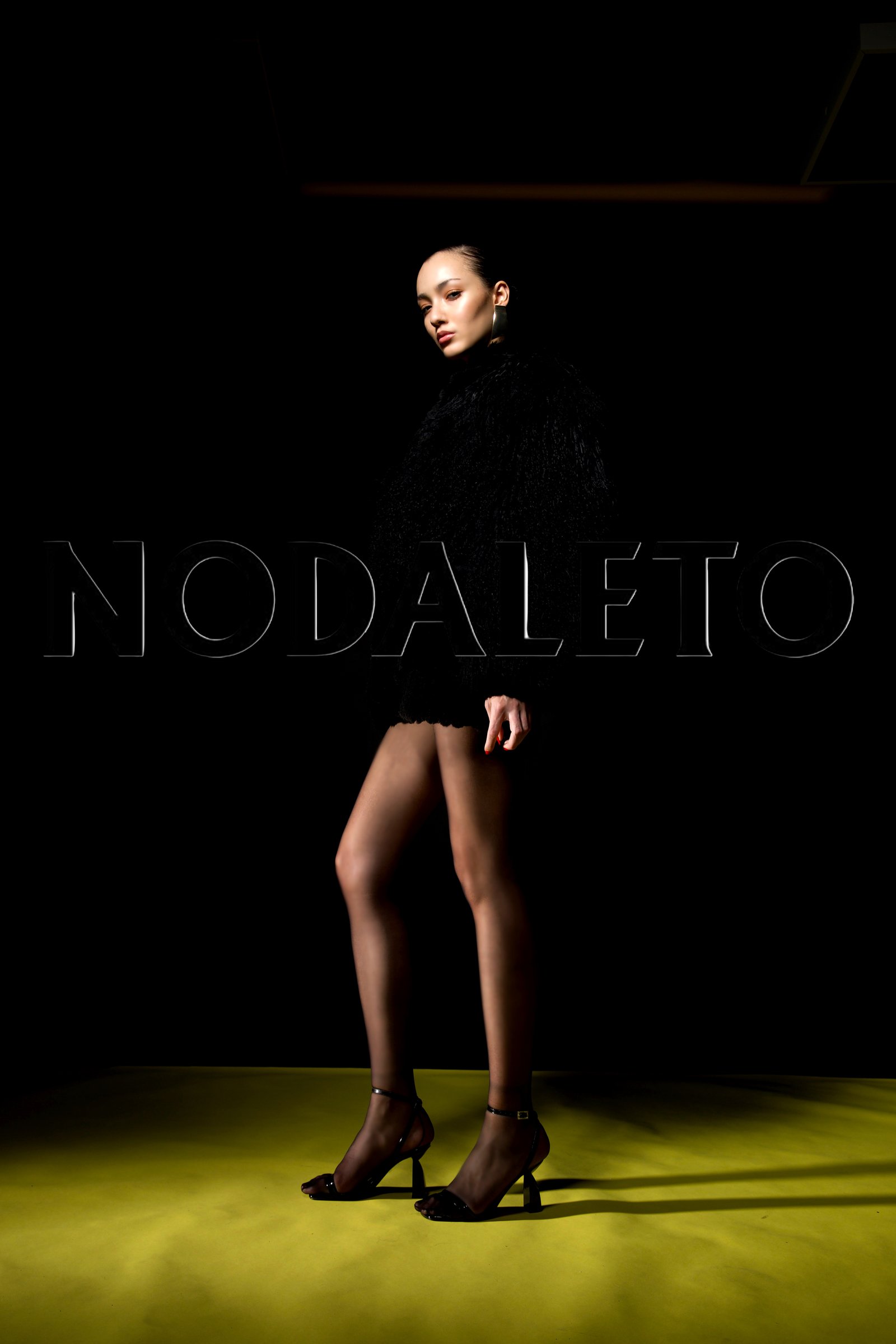
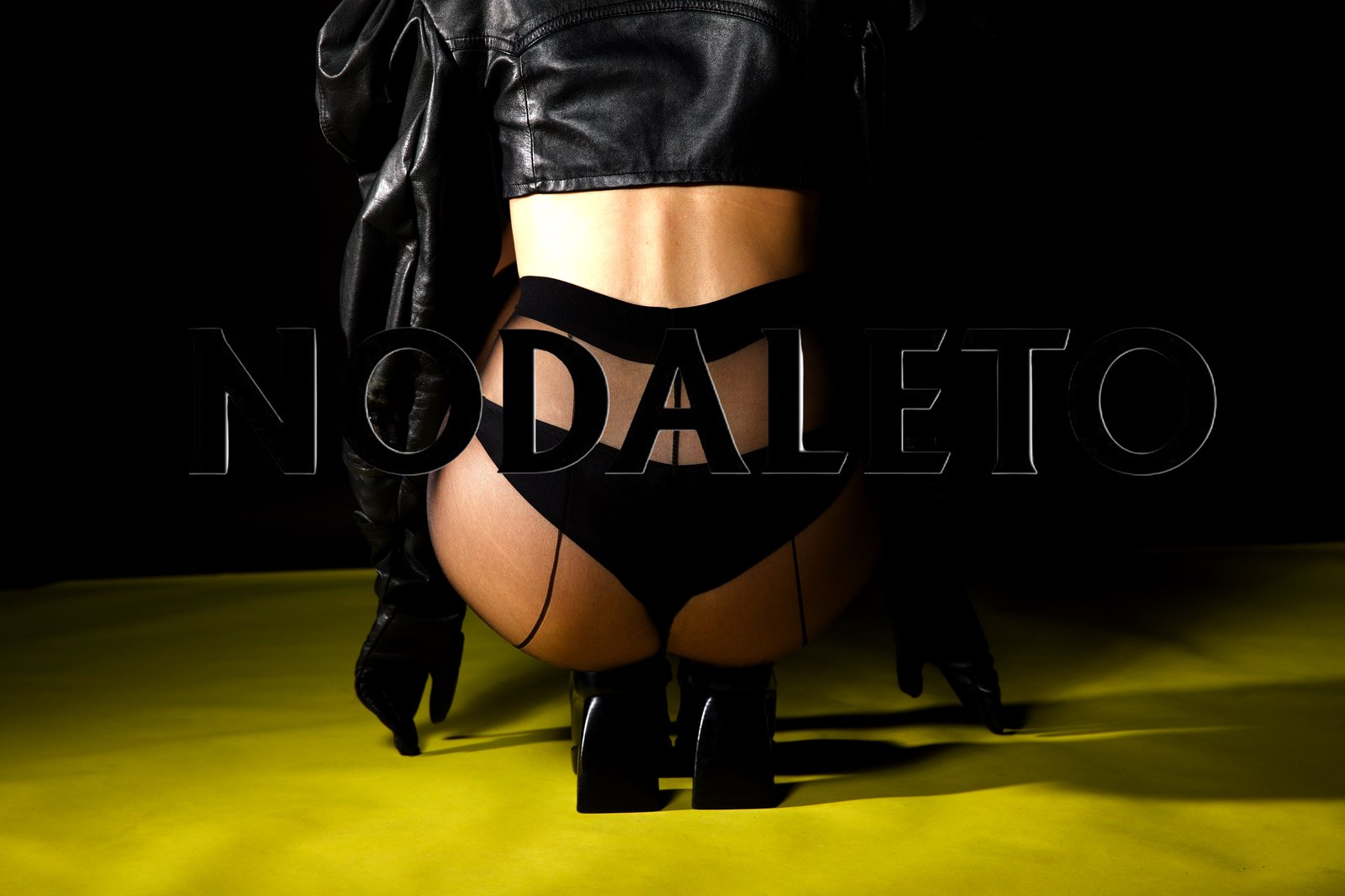
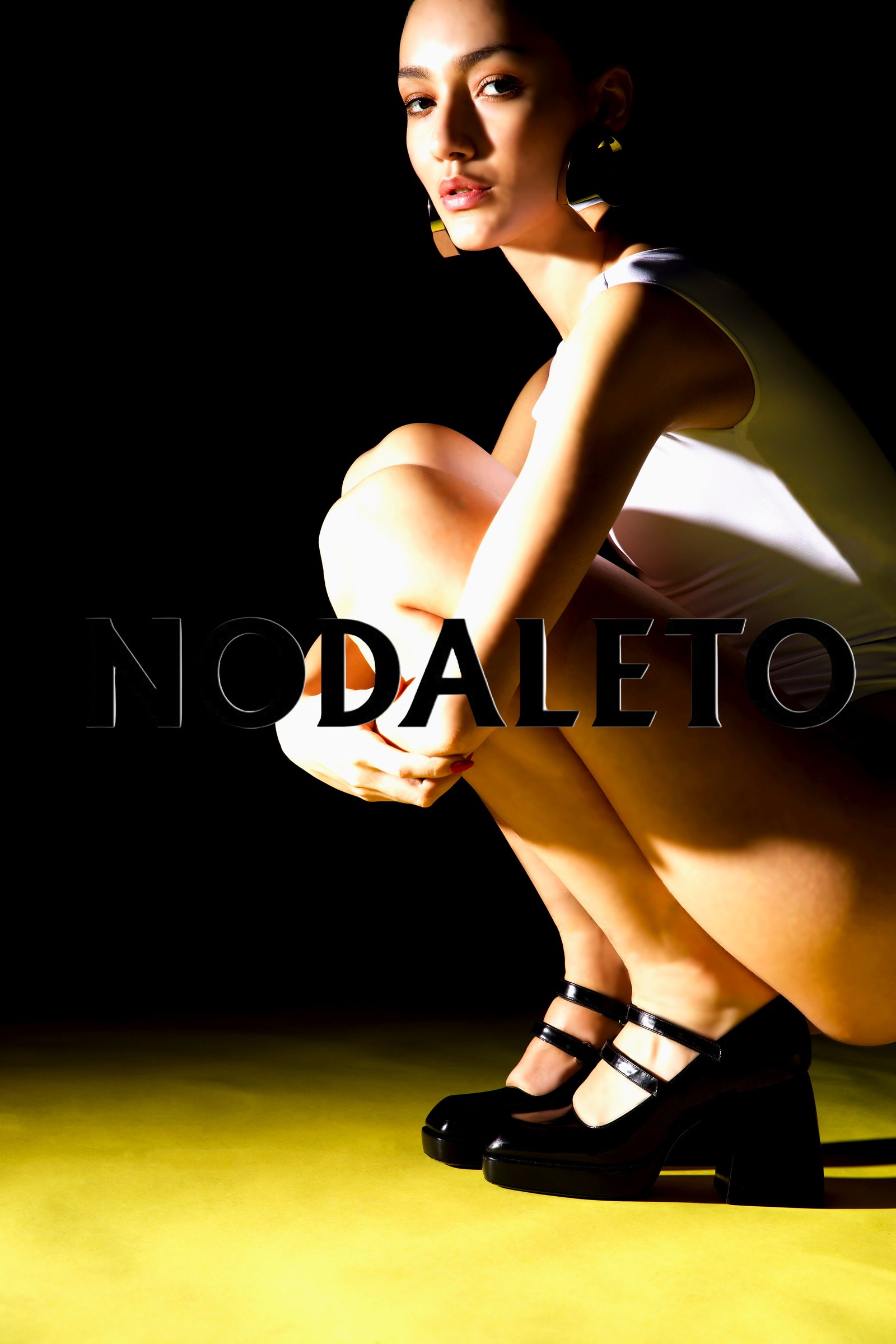
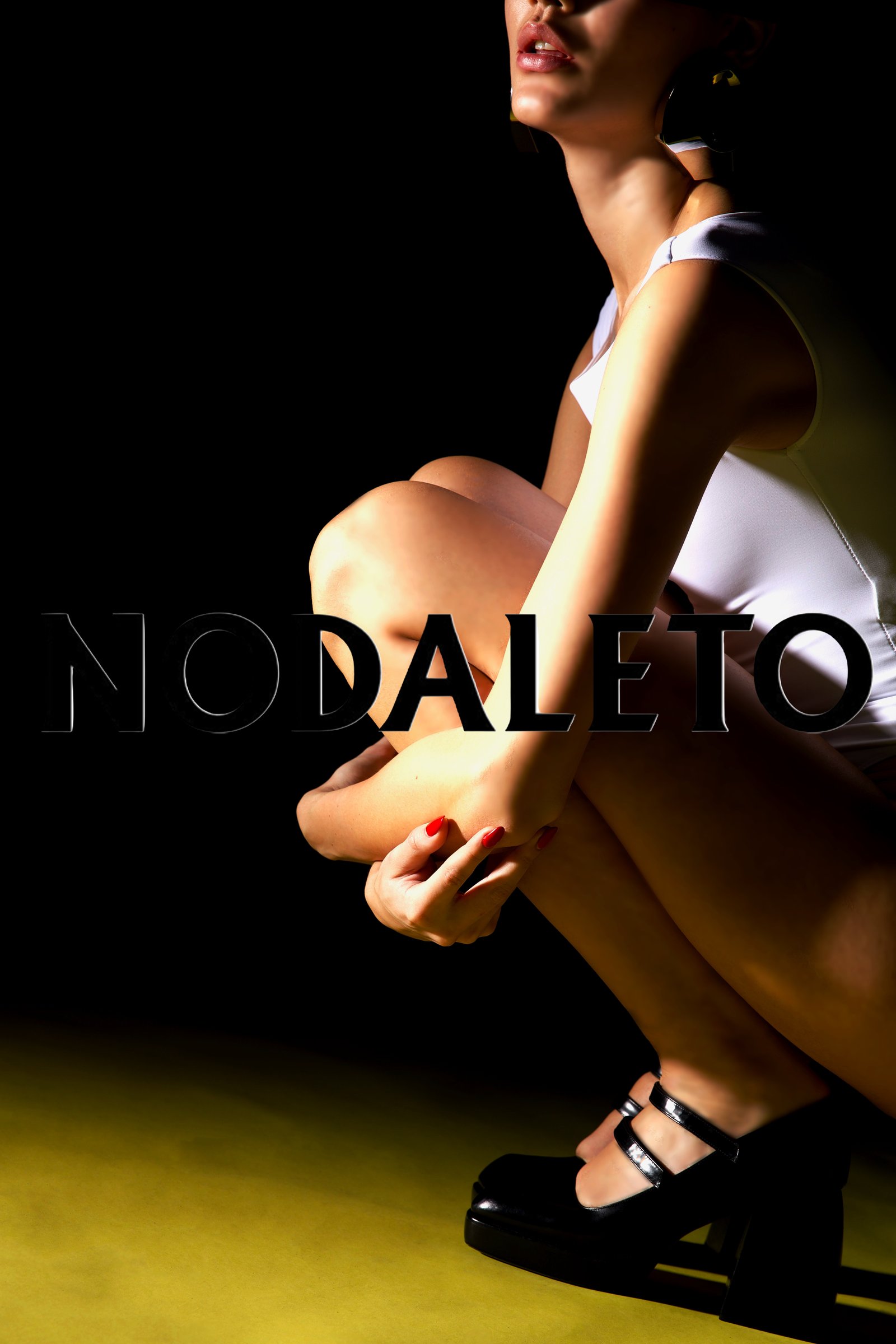
The body has value before fashion does anything to it. Fashion does not create the self from nothing. It enters a dialogue with a body that was already there.
Maguire Magazine
Articles
Culture
The Manufactured It Girl
So many girls have been considered "it," and somehow "it" always comes with the best marketing. The new it girl is not a coincidence. Her aesthetic seems so natural, but that is the whole point.
Words by Ainsley Maguire
Fashion
Another Fashion Show at A Museum?
When the runway moves into the gallery, who benefits? The house gets the backdrop. The institution gets the press. But what does the work itself lose when it becomes a set?
Words by Ainsley Maguire
About
Maguire is a fashion magazine built on a single premise: the act of getting dressed is one of the most intelligent, creative, and identity-forming things a woman does. We publish editorials, essays, and cultural criticism that take fashion as seriously as it deserves.
Masthead
Ainsley Maguire — Editor, Creative Director
Based between Paris & New York
Contributors include photographers, stylists, and writers across Paris, London, and NYC. Each editorial is its own collaboration.
Submit
Maguire accepts editorial submissions, pitches, and collaboration proposals. If you have a story about fashion, identity, or the act of getting dressed, we want to hear it.
Photography
Carla Rossi
Creative Direction & Styling
Ainsley Maguire, Matilda Mellbin Westerlund, Vadehi Dubie
Model
Lys Canton
For
Maguire Magazine
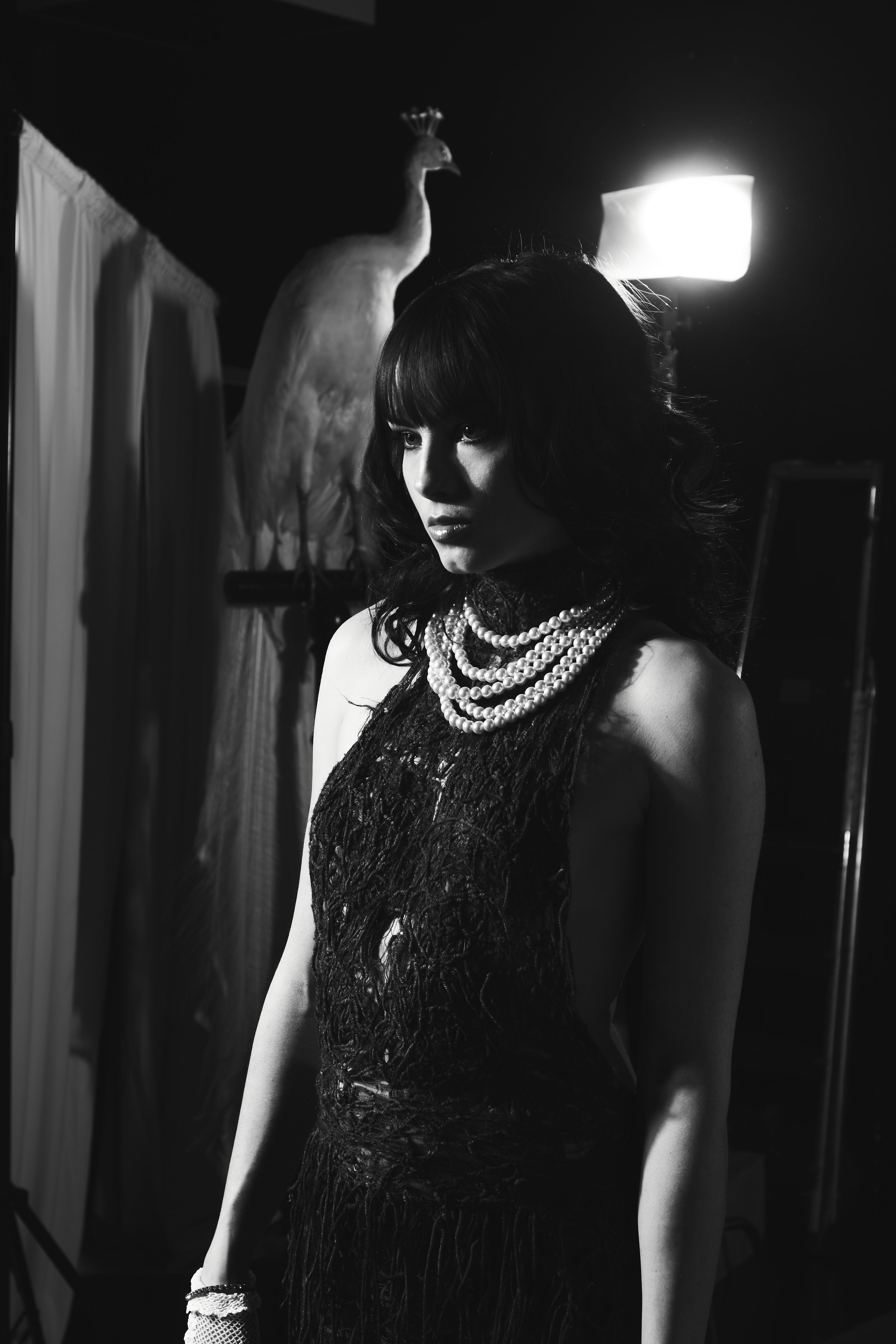
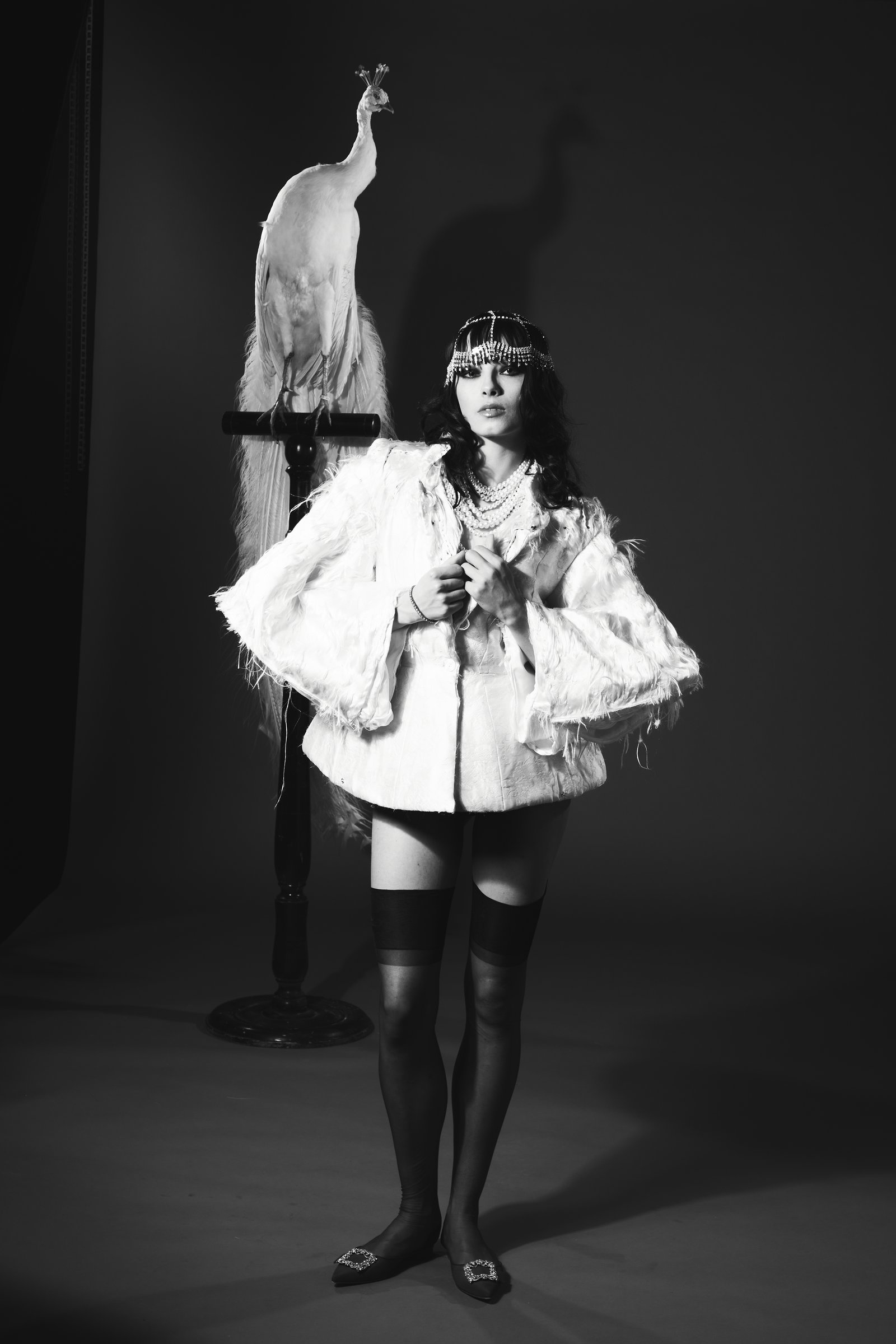
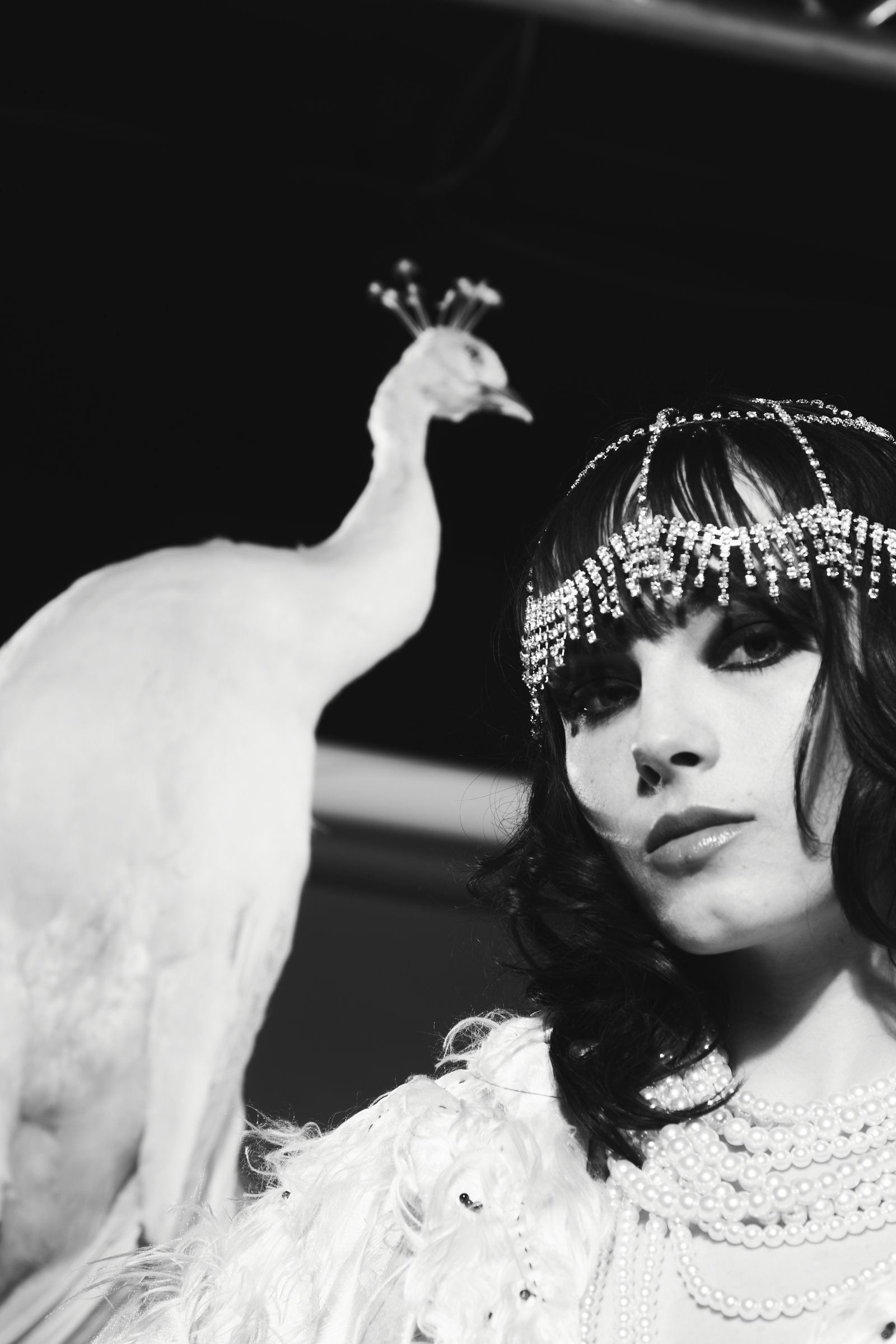
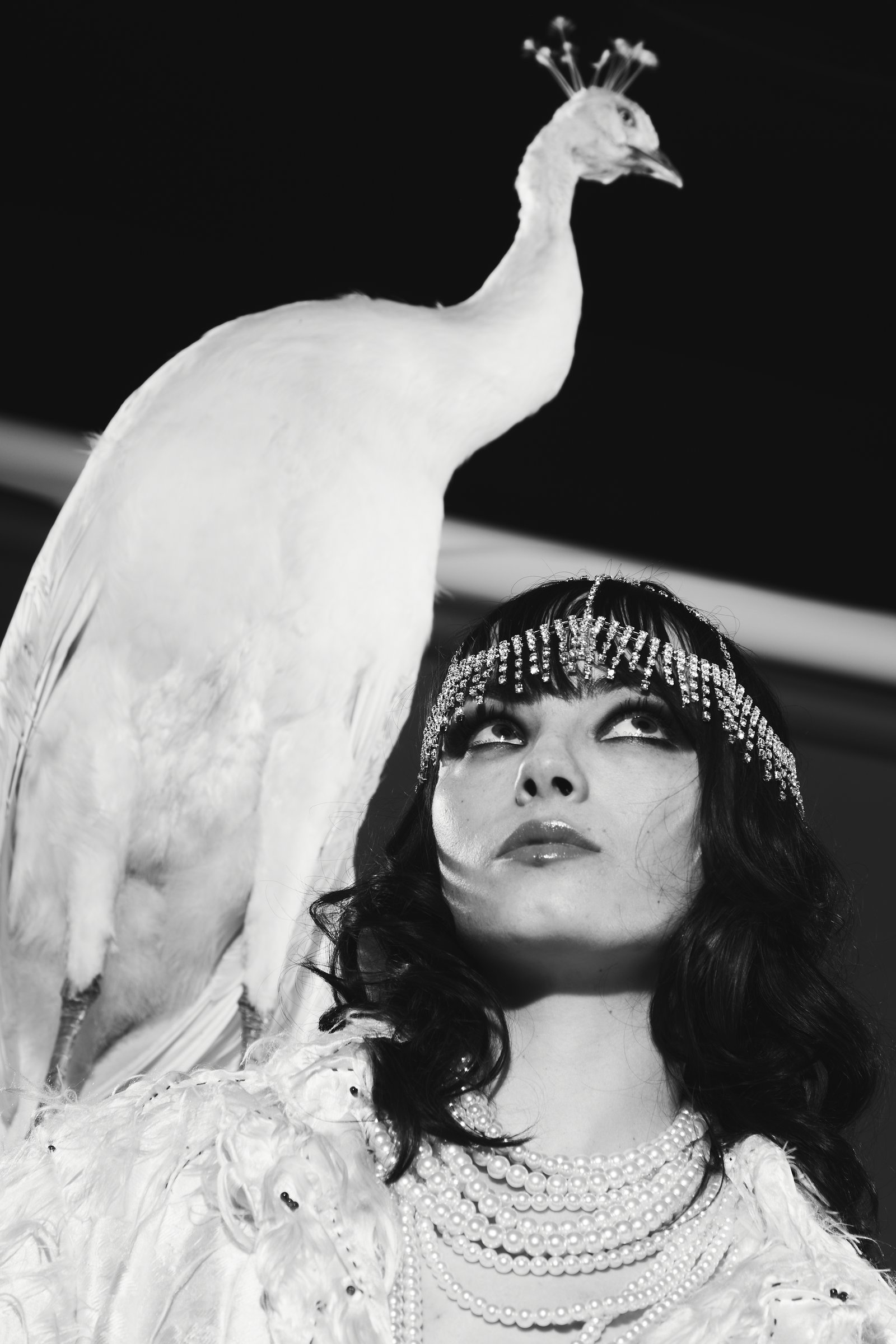
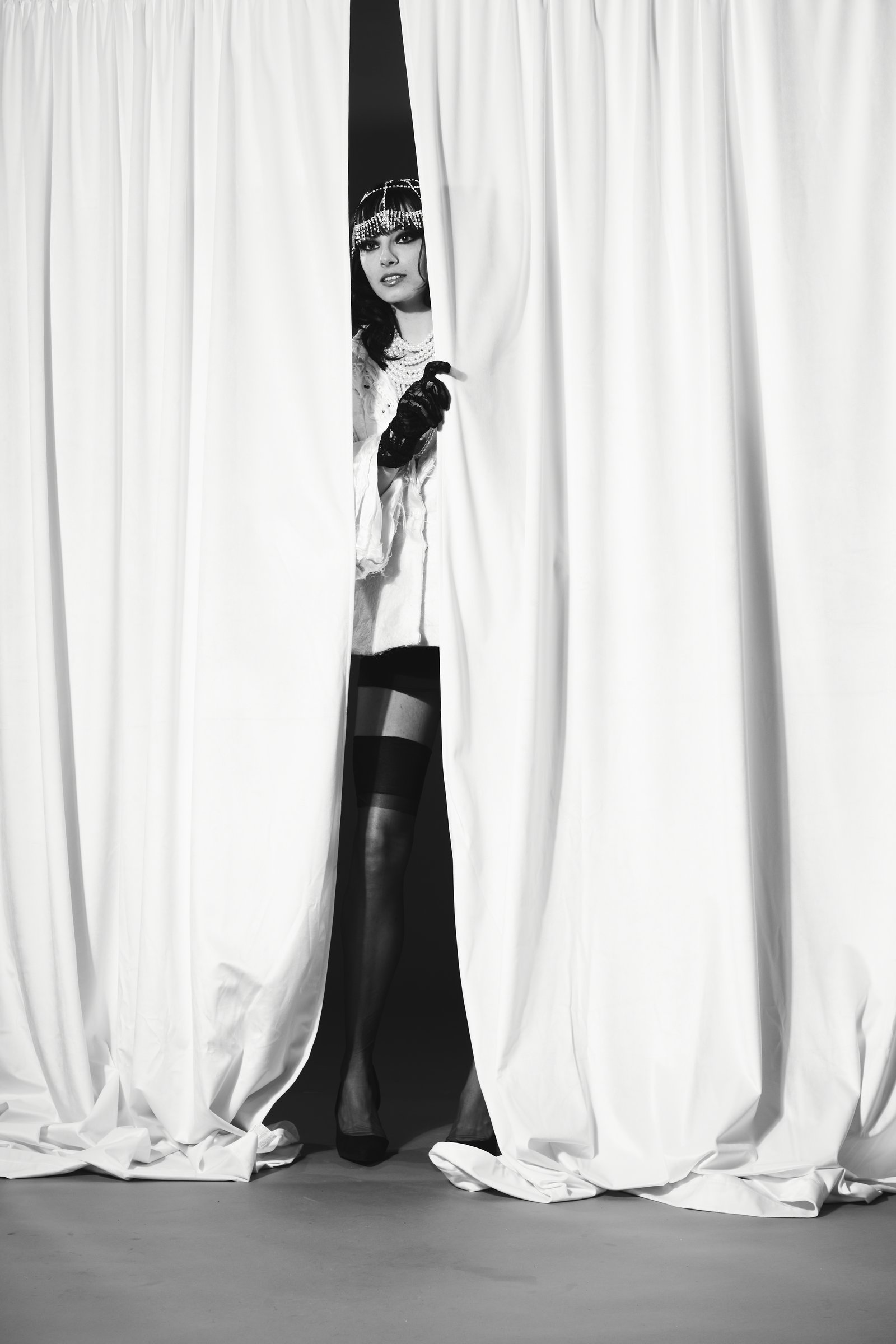
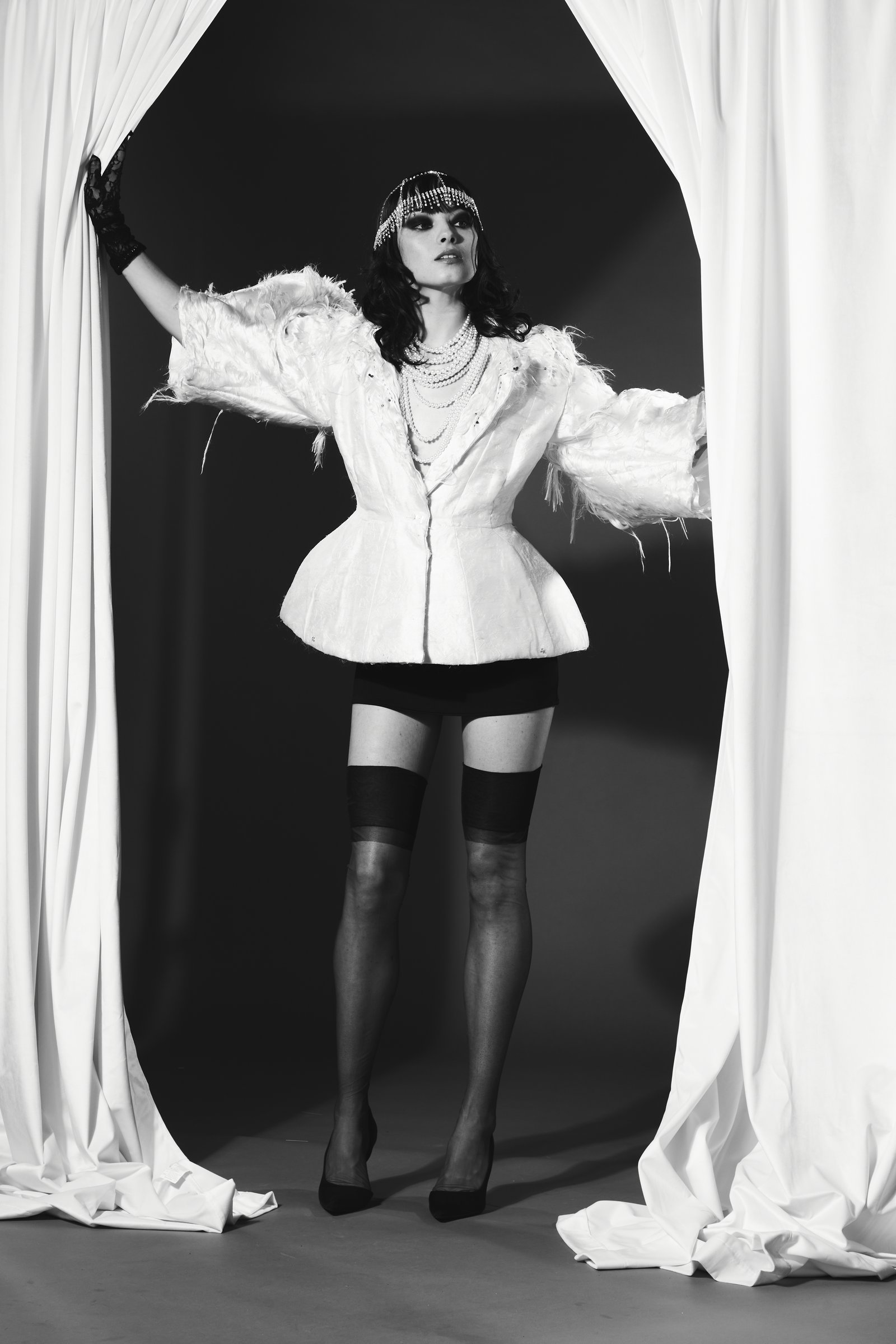
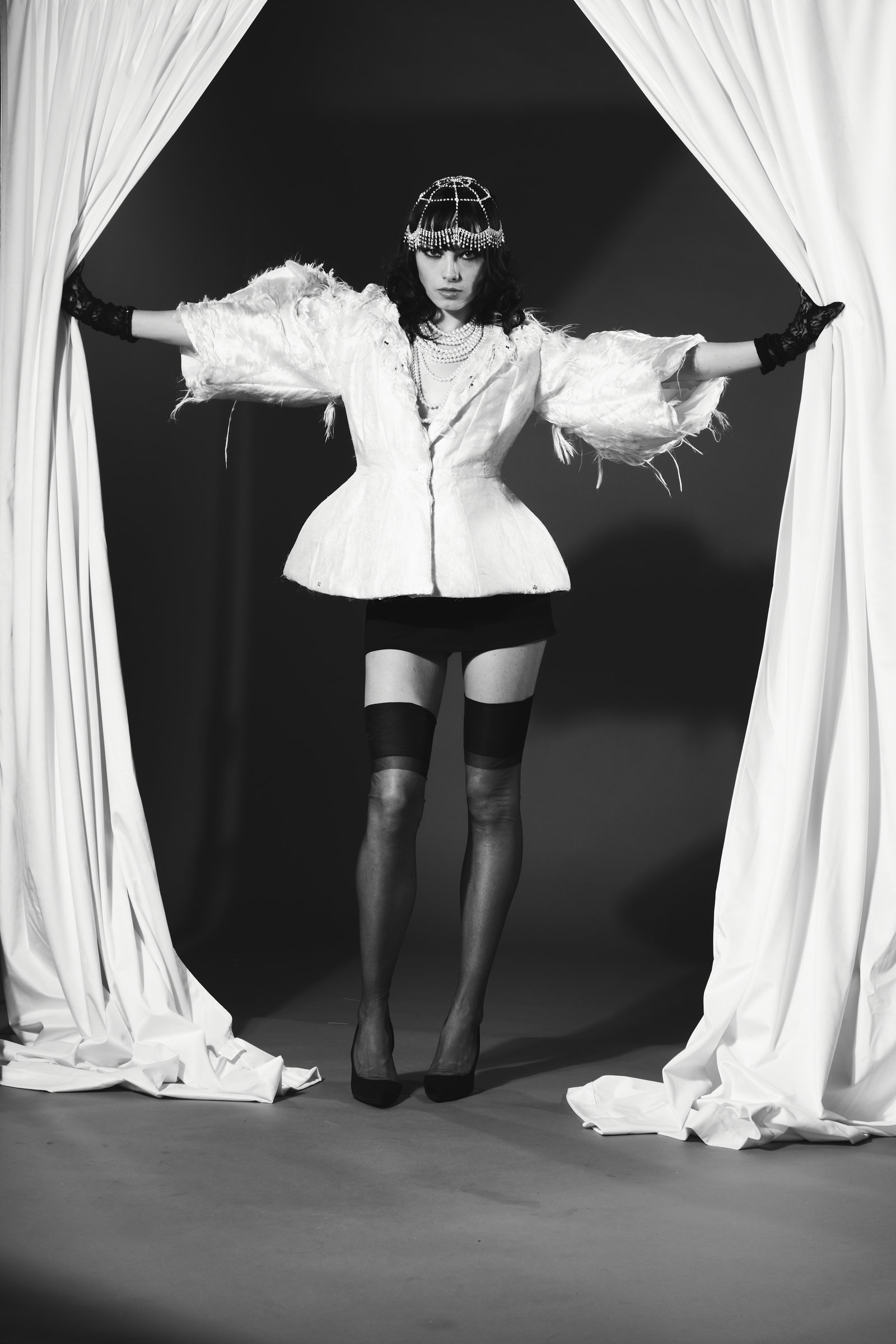
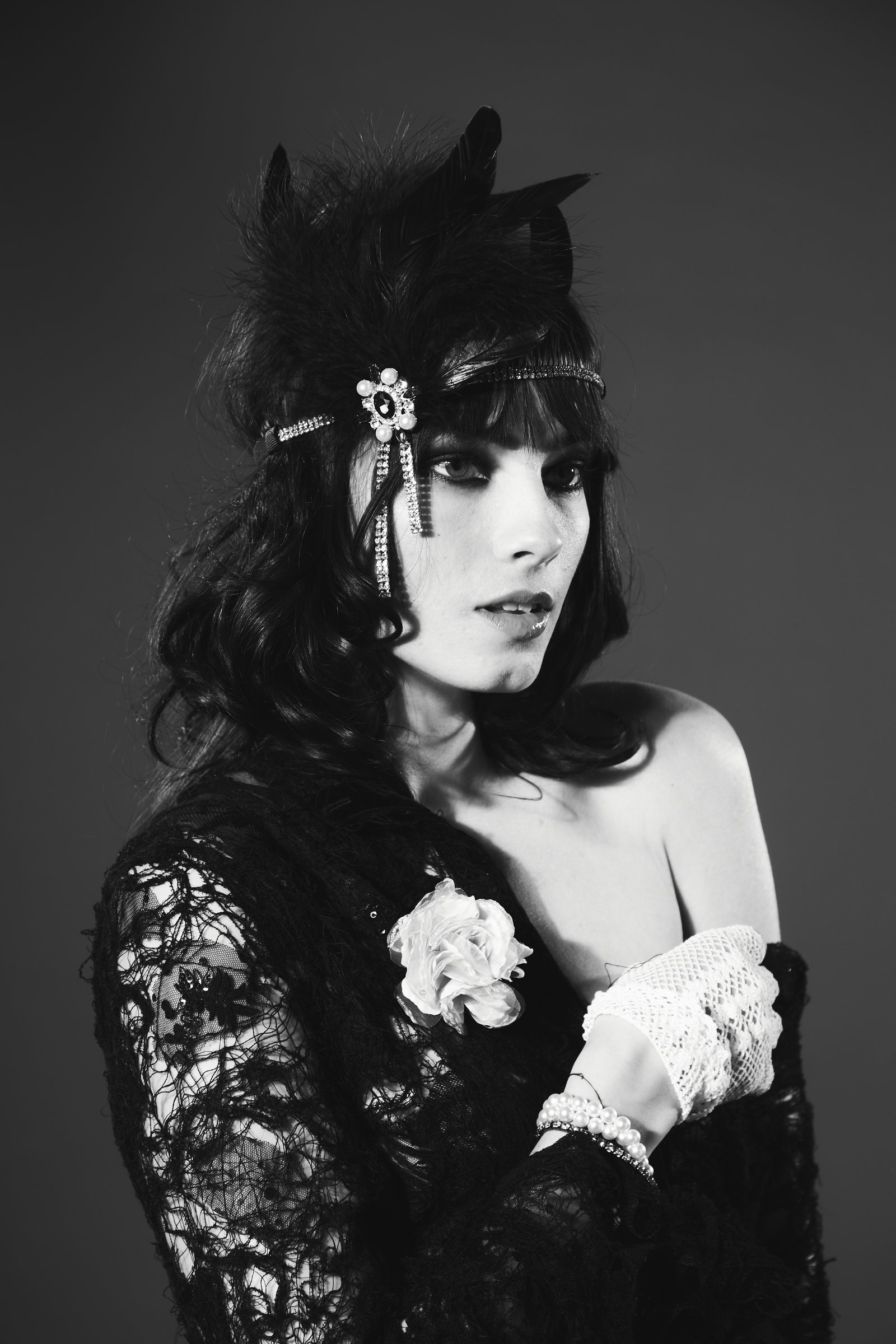
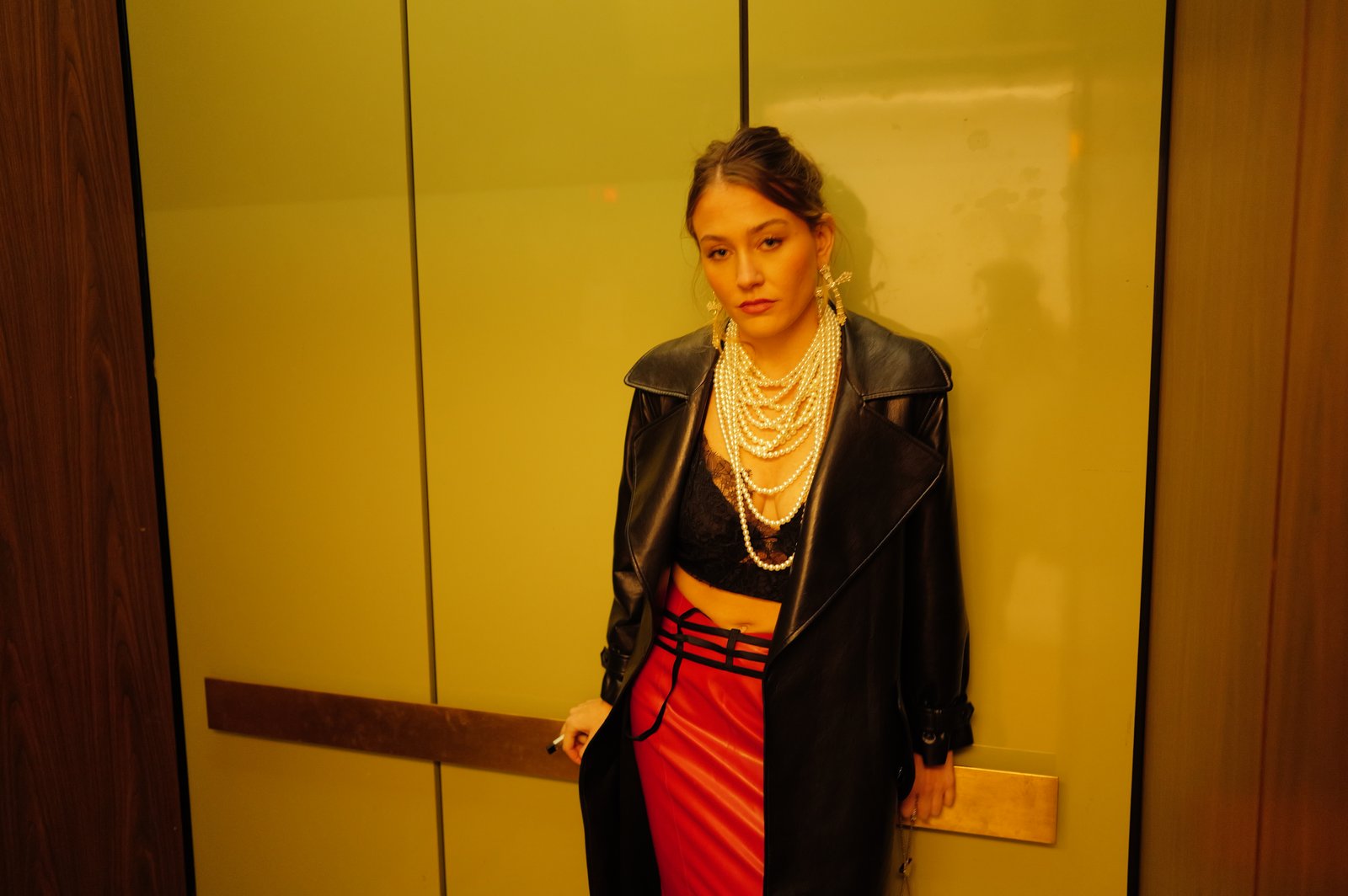
Clara Bow didn't choose the "it" label. It was assigned, performed, then consumed. This is the reconstruction: the flapper as armour, the pearl as weapon, the peacock as witness.
The It Girl was never hers. The costume is.
The original It Girl, a term she never asked for, applied to a woman whose appeal was that she couldn't be contained. What happens when you take back the costume? The beading, the feathers, and pearls aren't nostalgia. They're a woman dressing for war in the language of the era that tried to own her.
Photography, Styling & Creative Direction
Ainsley Maguire
Styling Assistant
Matilda Mellbin Westerlund
Model
Masha Mukhina
For
Maguire Magazine
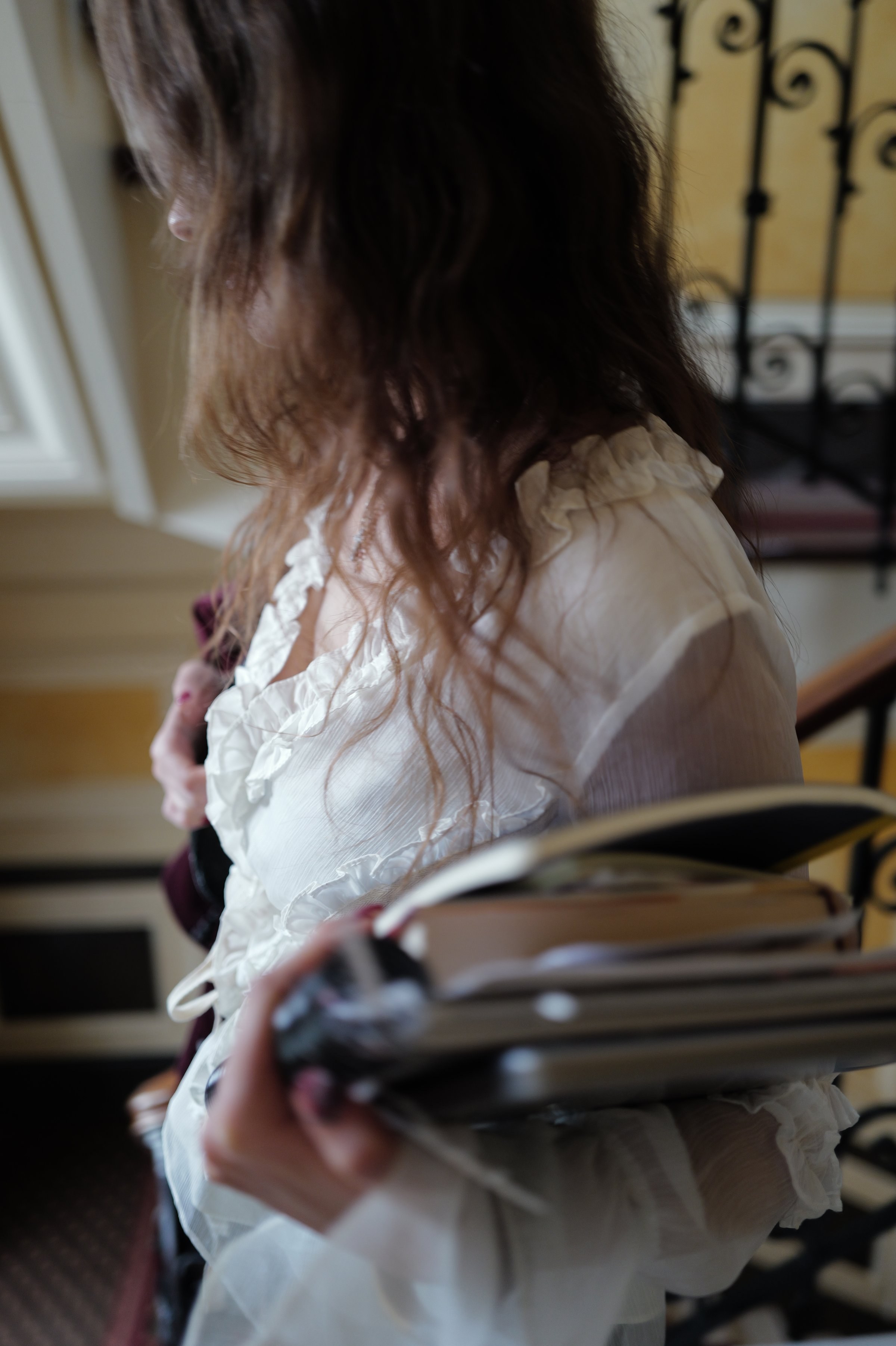
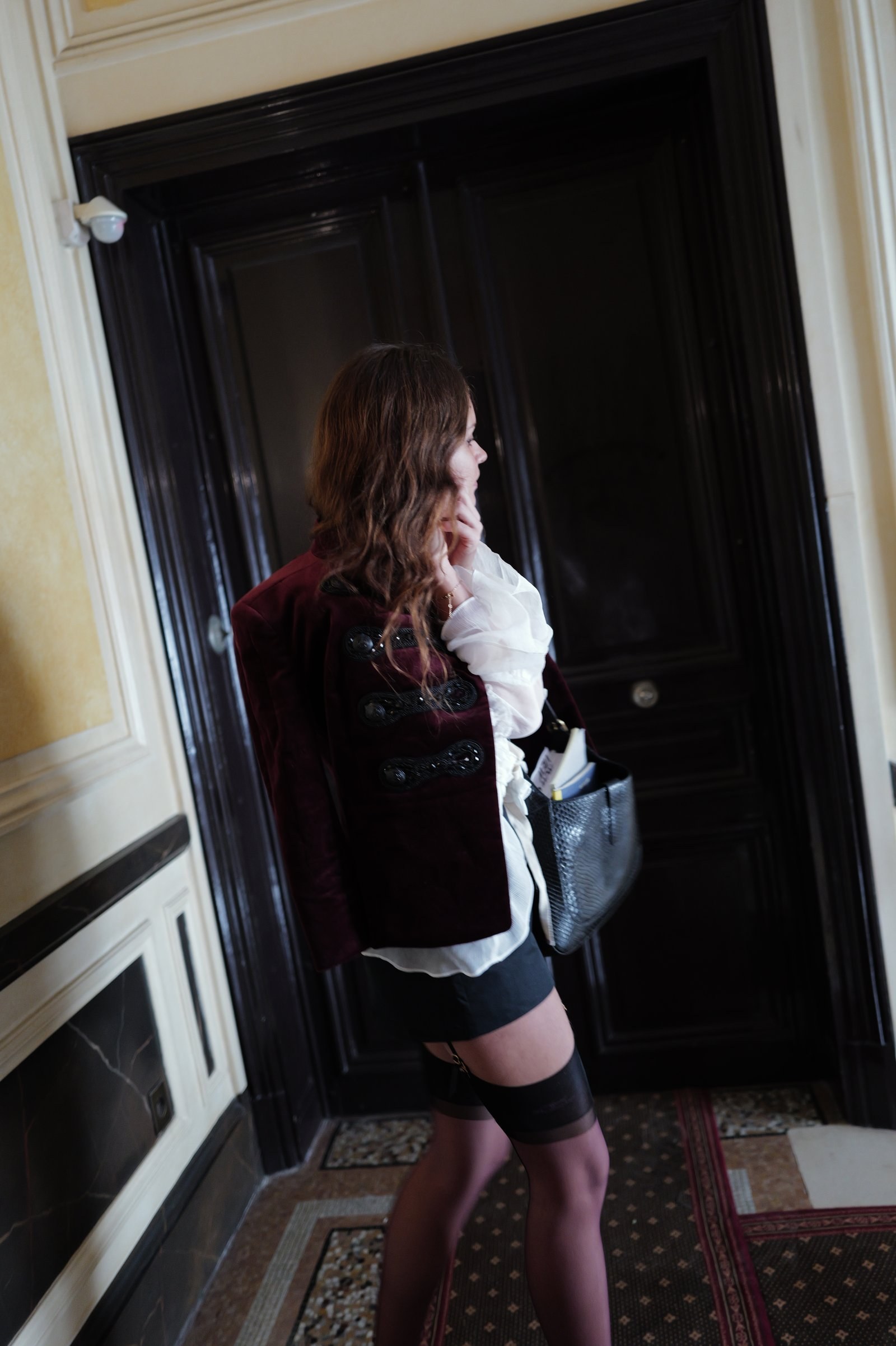
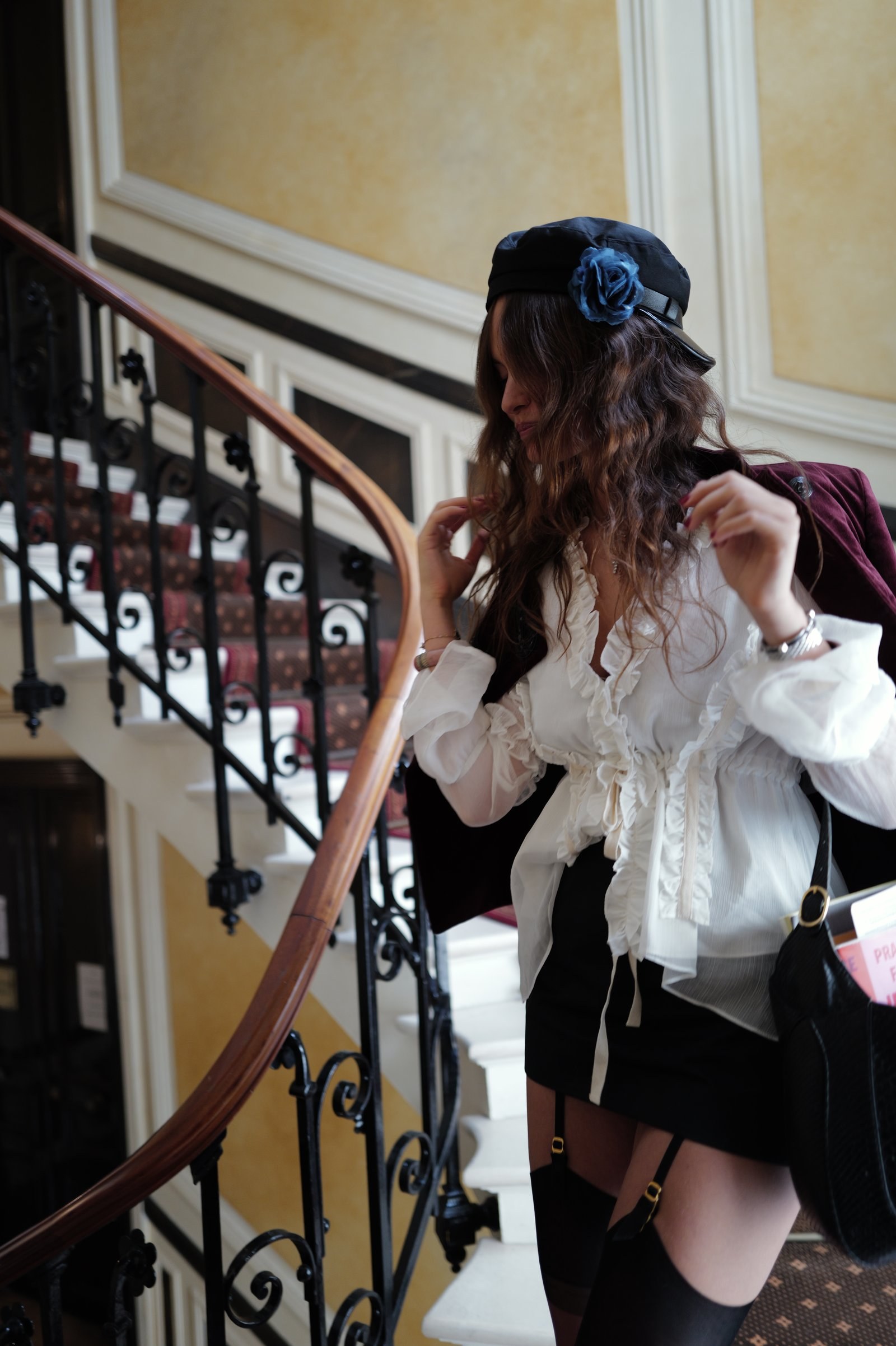
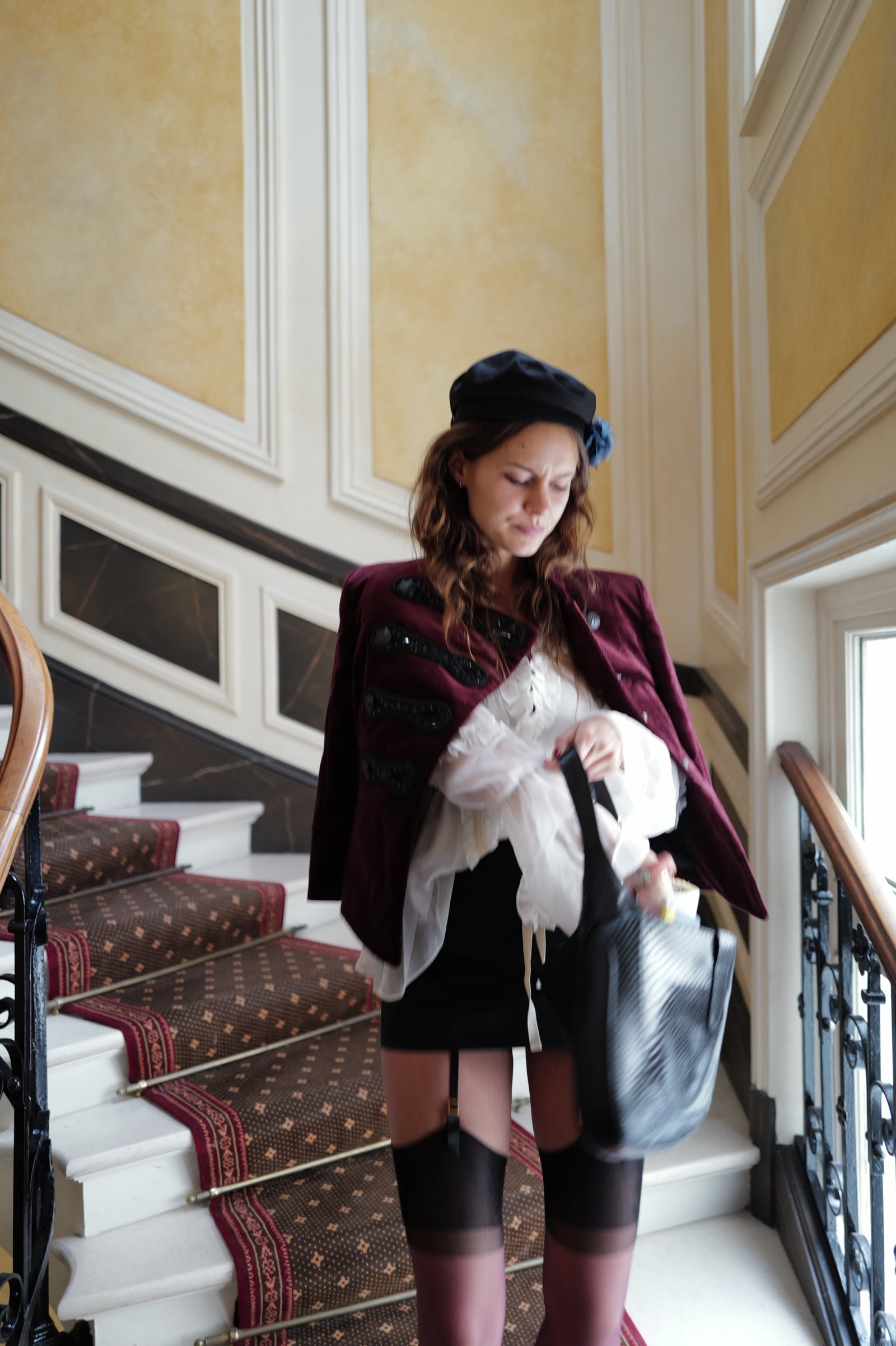
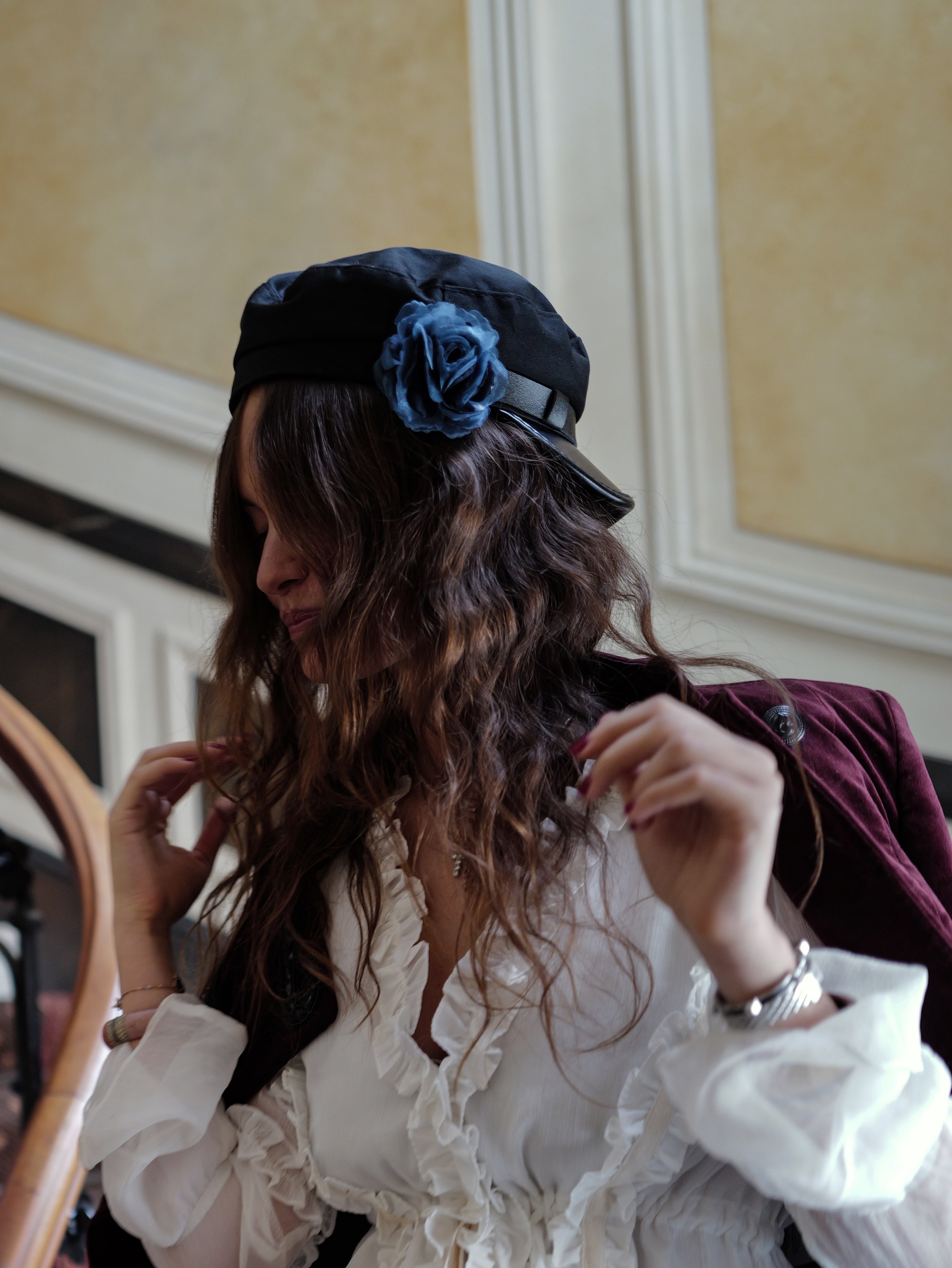
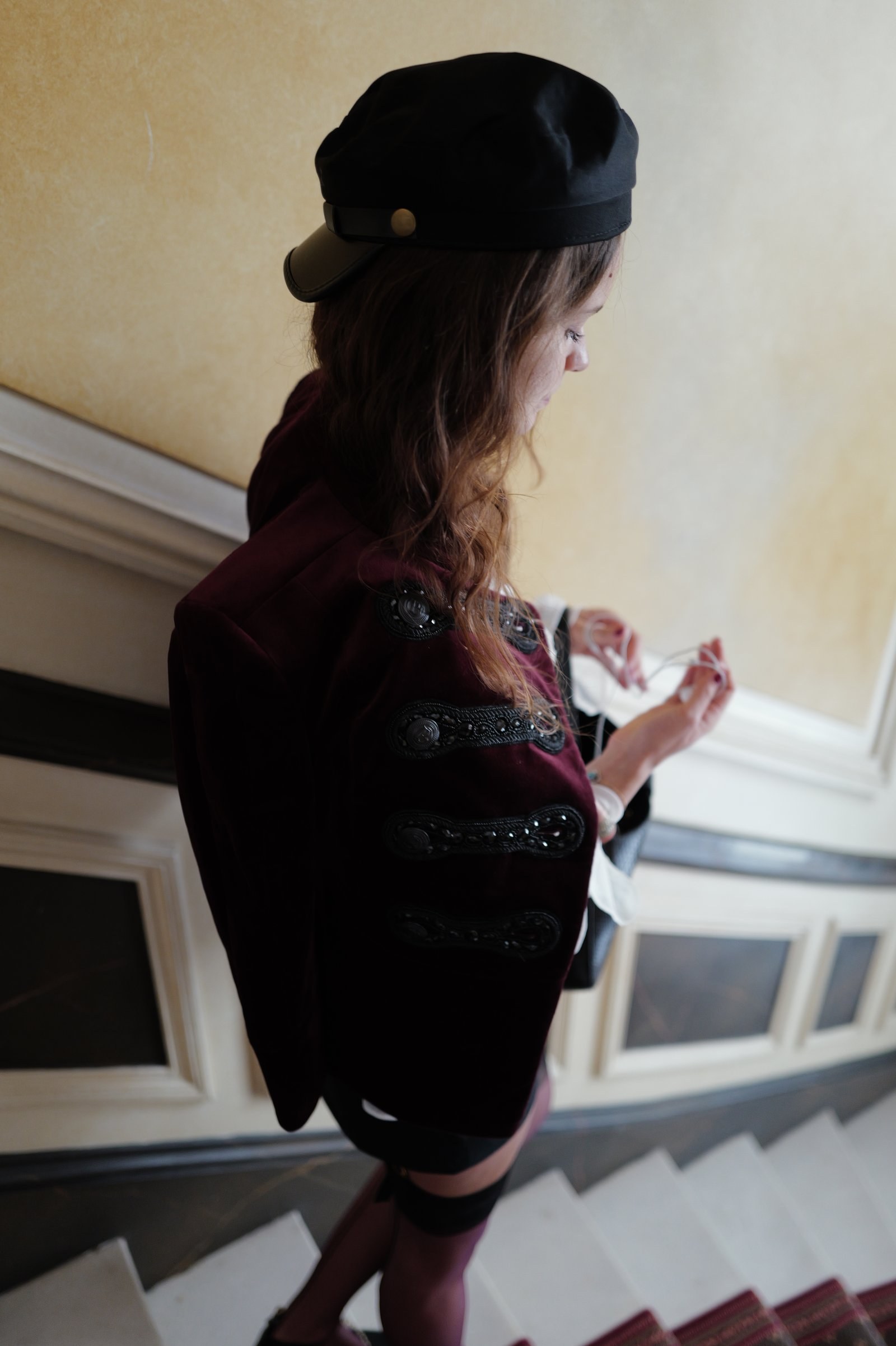
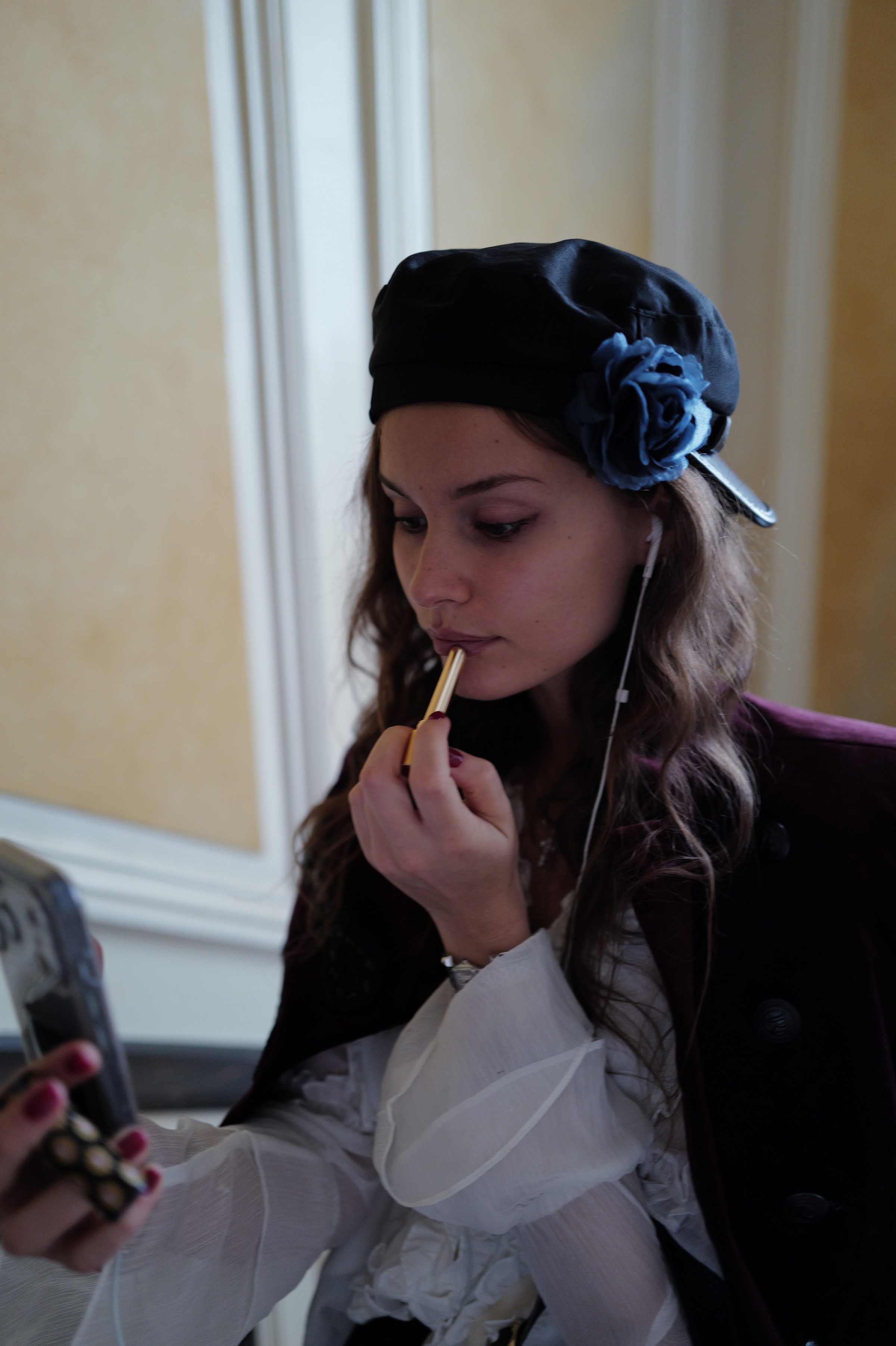
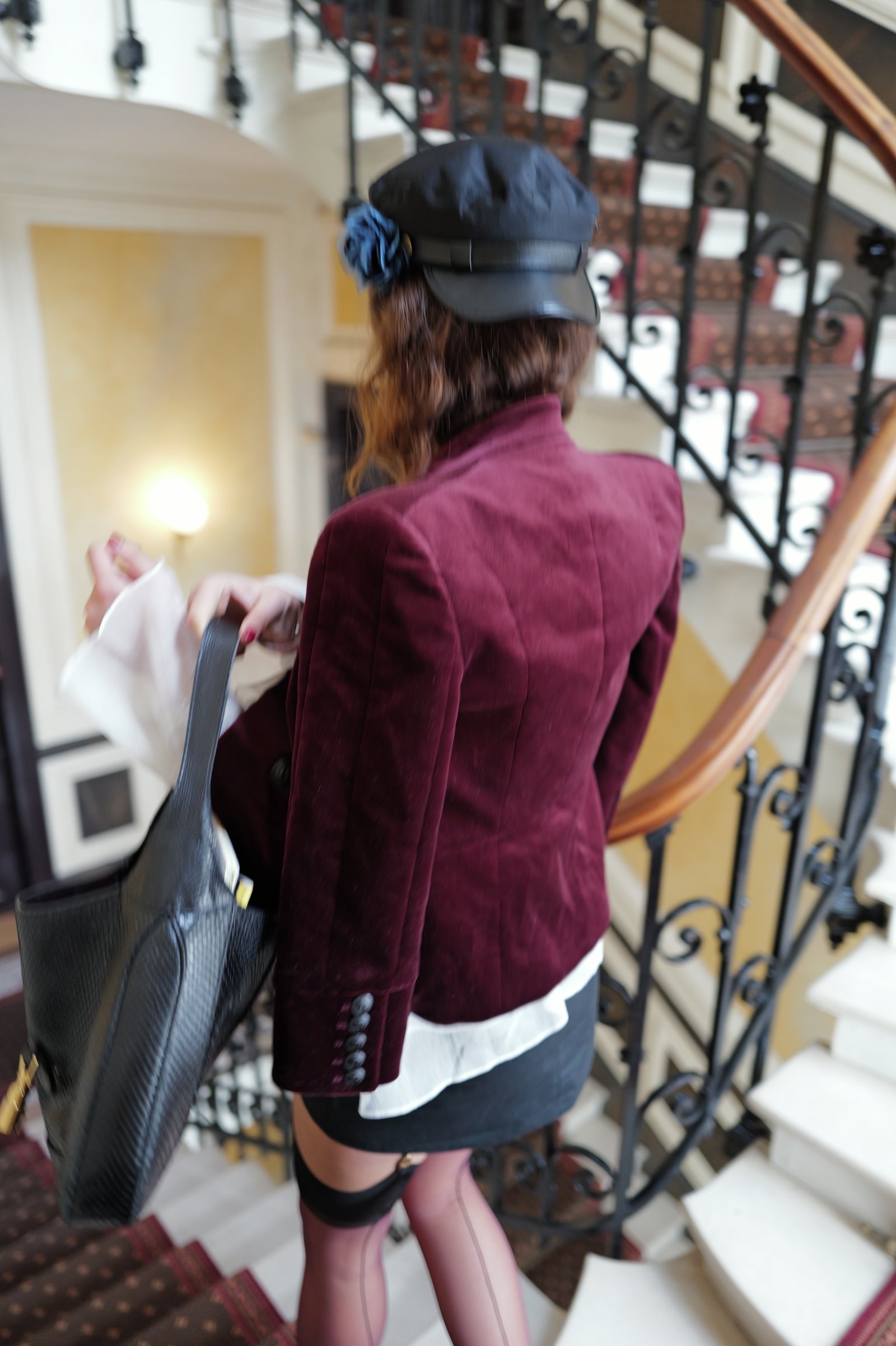
Using crumpled layers, mismatched aesthetics, and the movement of a woman, this volume celebrates vulnerability and style. In the midst of mayhem and purpose, the staircase transforms from a changing room into the setting for a stunning, heart-pounding, stylish late-morning tale.
The staircase is the changing room. The changing room is the stage.
Photography
Carla Rossi
Styling & Creative Direction
Ainsley Maguire, Matilda Mellbin Westerlund, Hana Morsi
Model
Zanelle
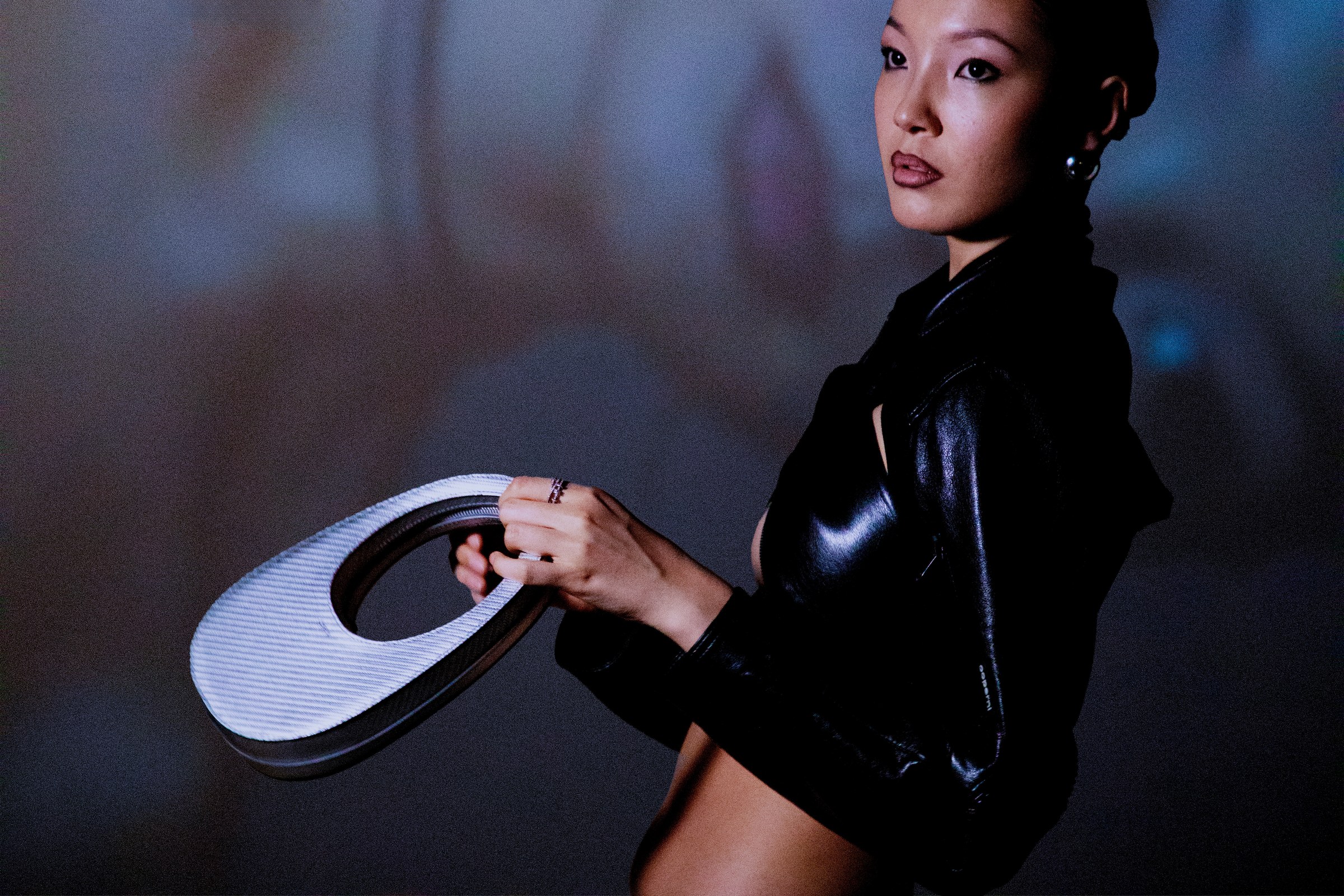
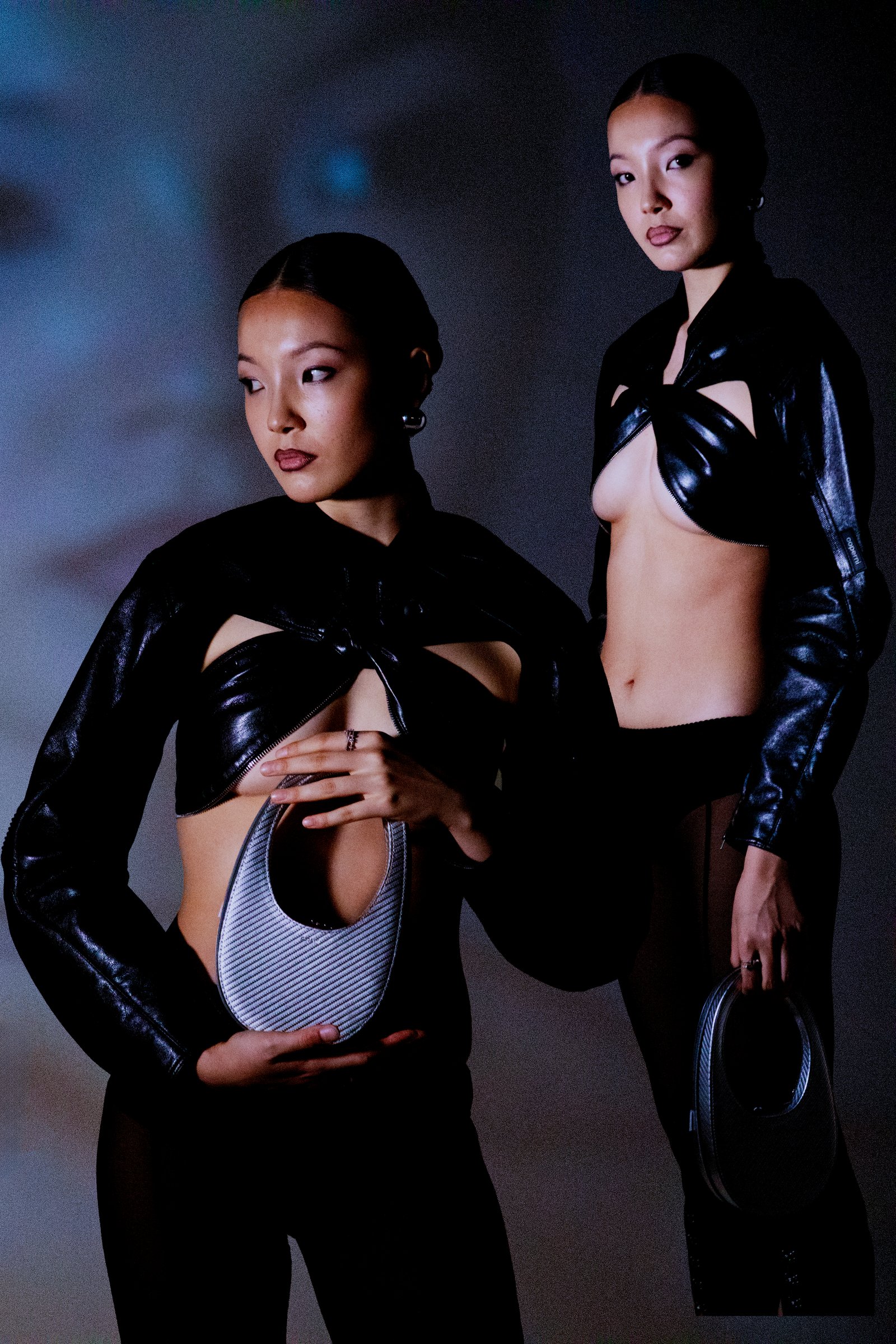
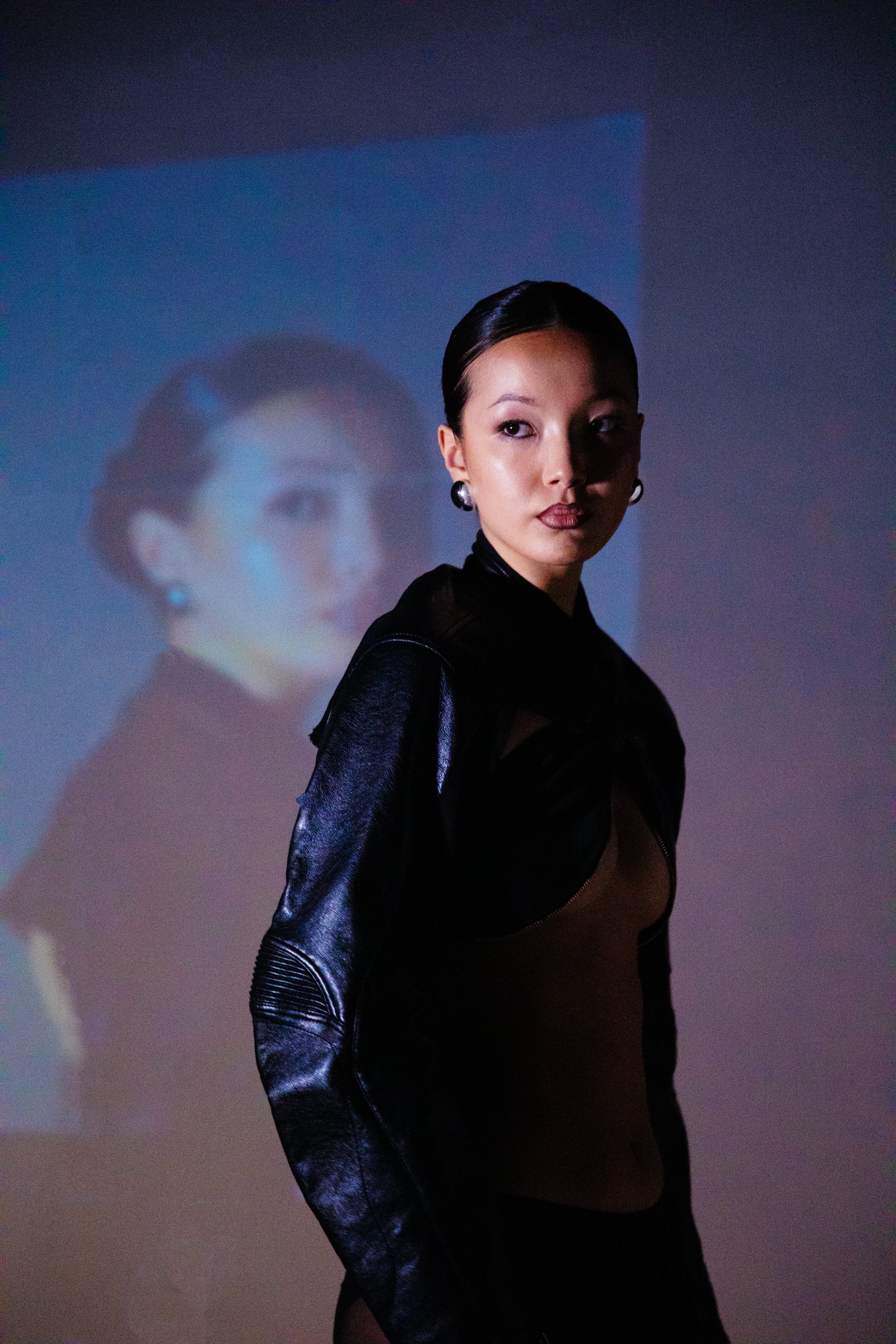
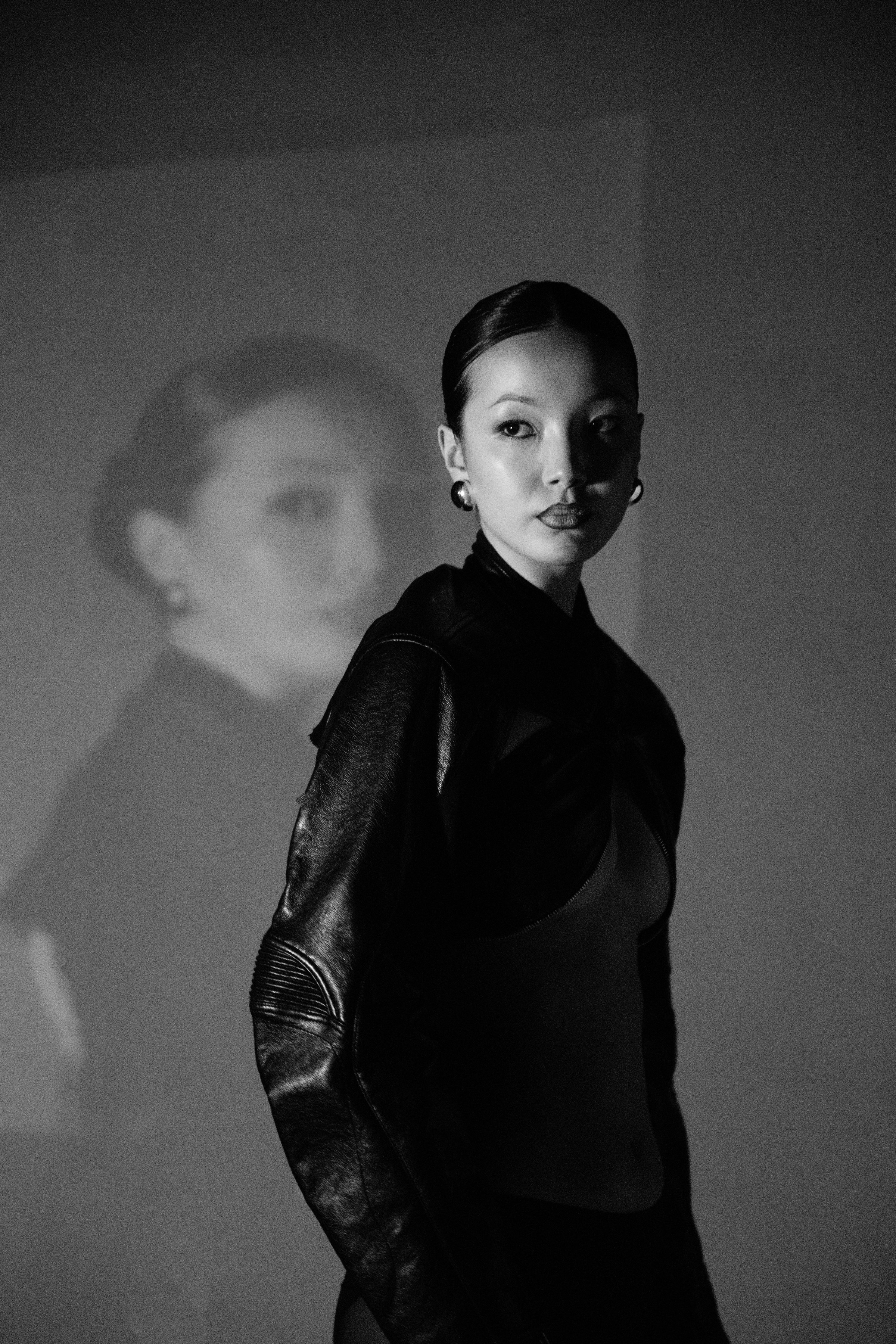
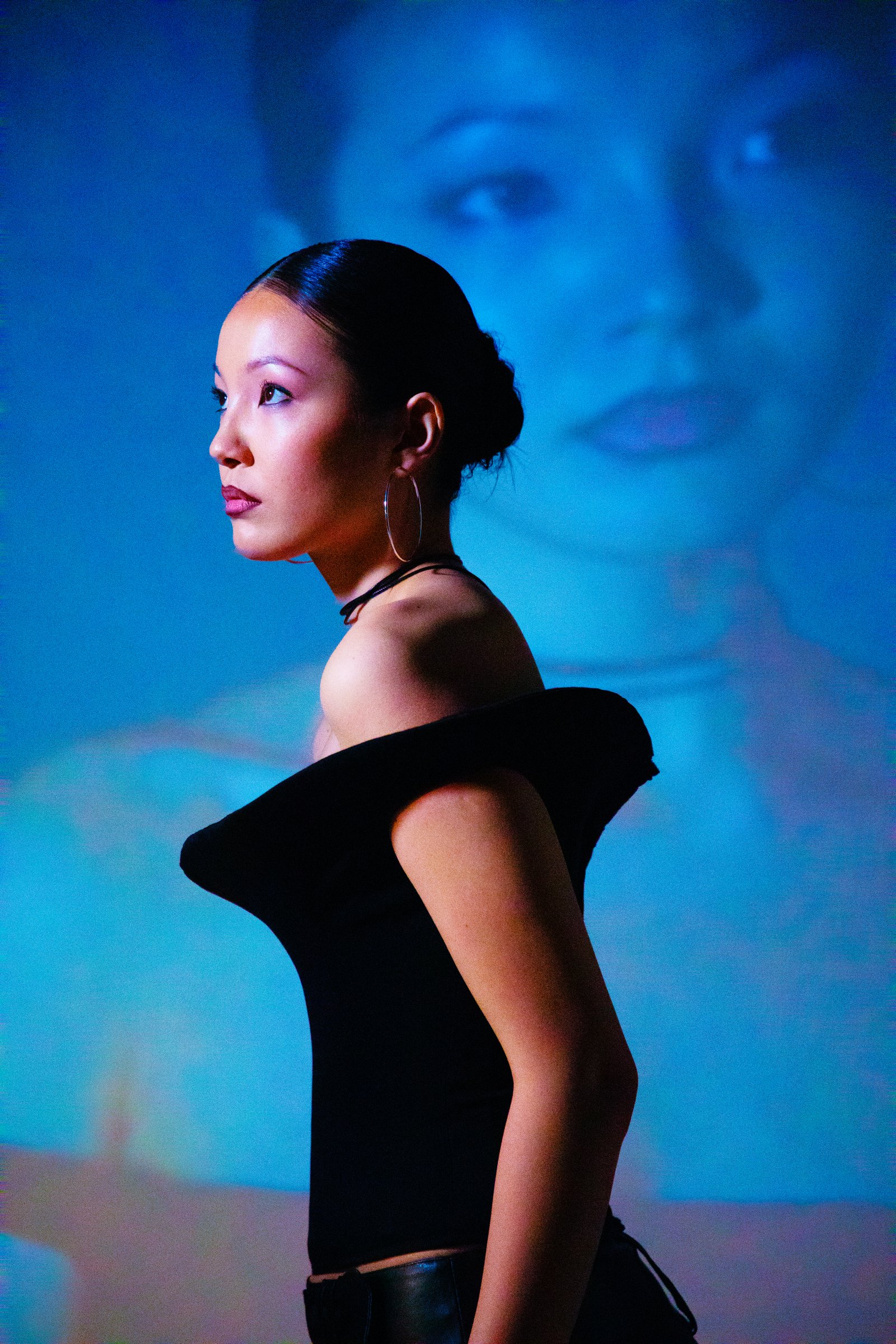
There's no distinction anymore between the body you dress and the body you upload. Think leather that curls away to reveal what's underneath, a bag designed for the gesture of carrying it. We shot Zanelle as both subject and screen: the projection of her own image mapped back onto her skin.
She is the projection. Coperni's Second Skin dissolves the line between body and broadcast.
Photography, Styling & Creative Direction
Ainsley Maguire
Model
Katarina Watson
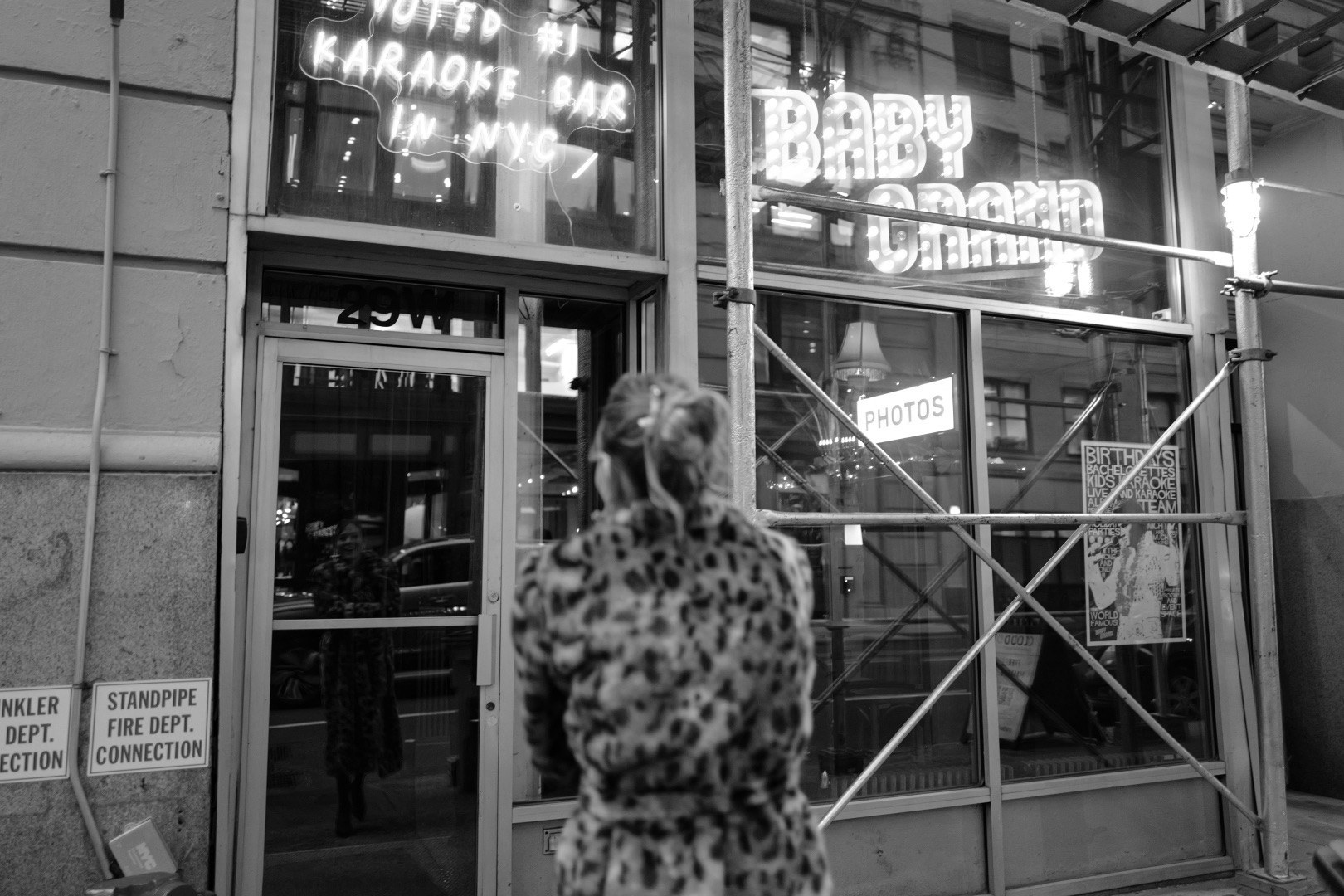
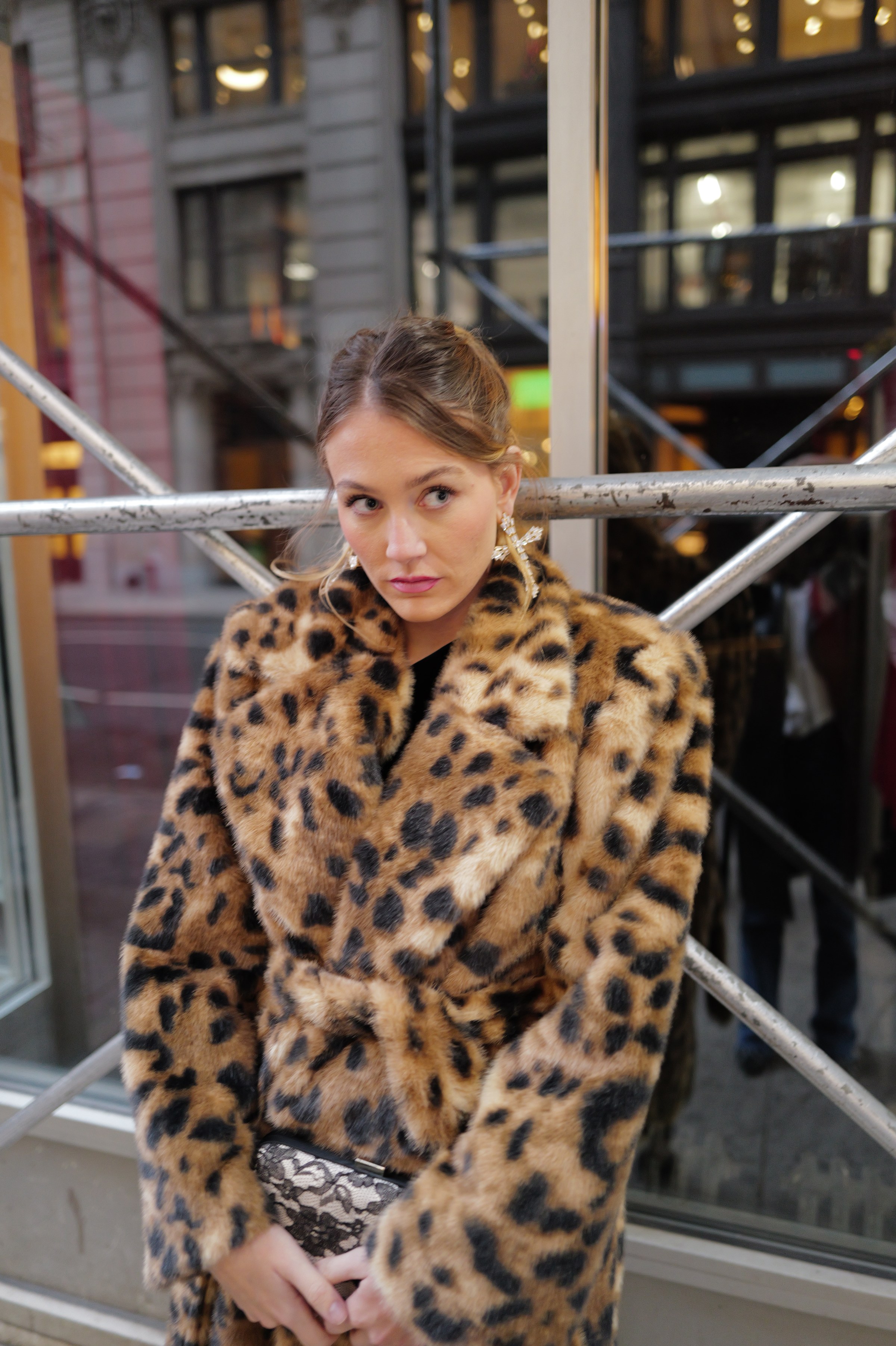
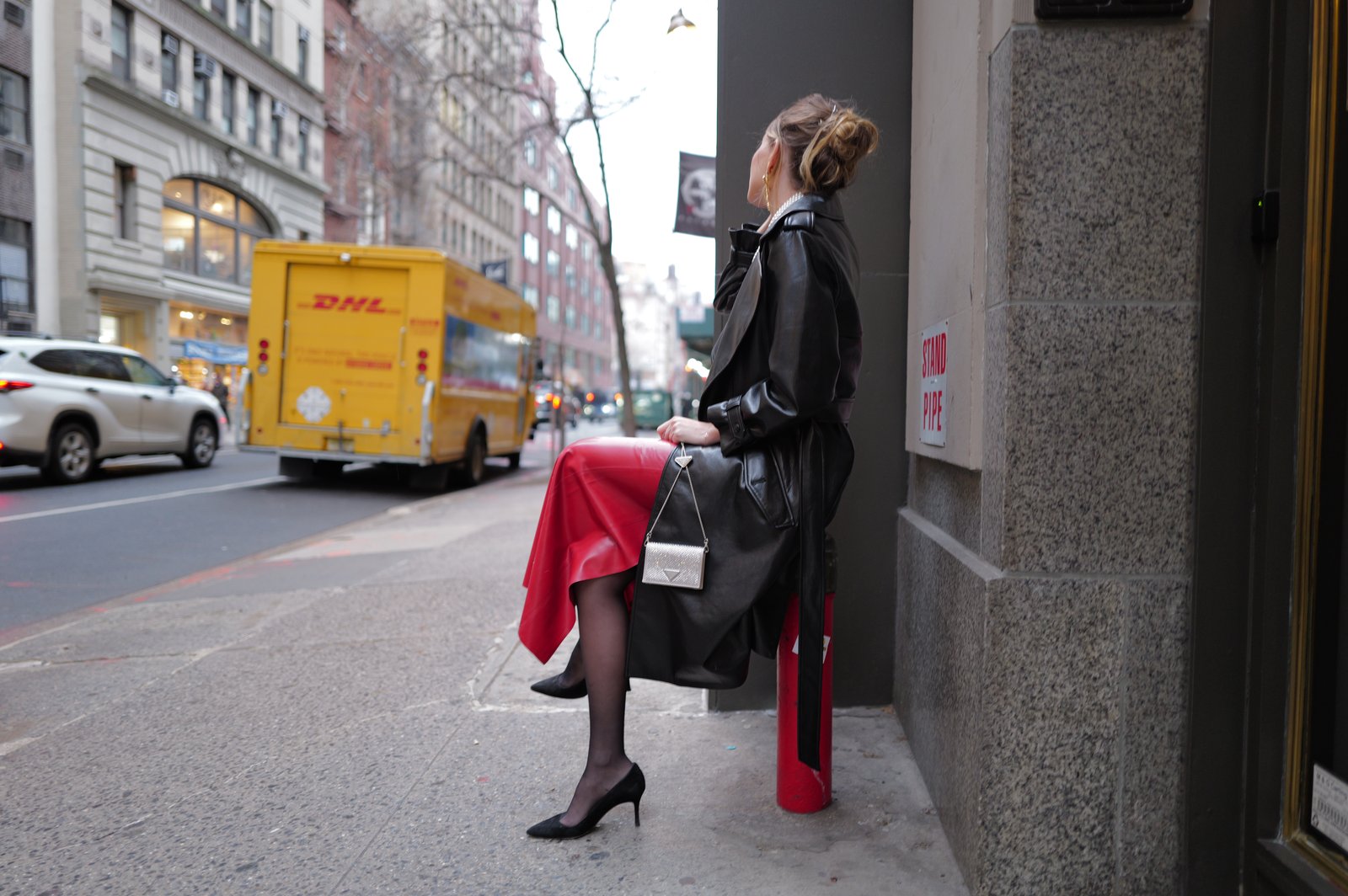
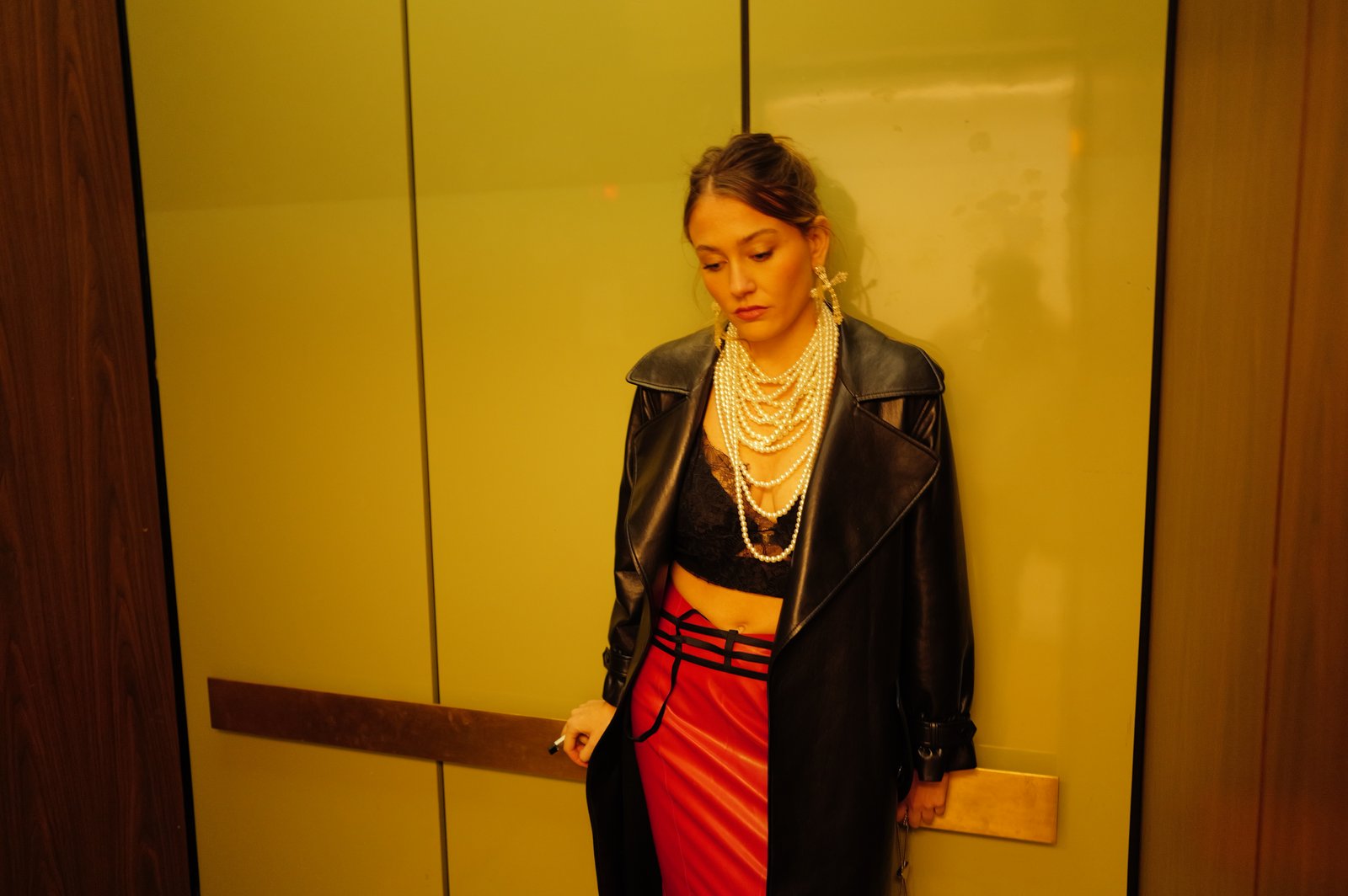
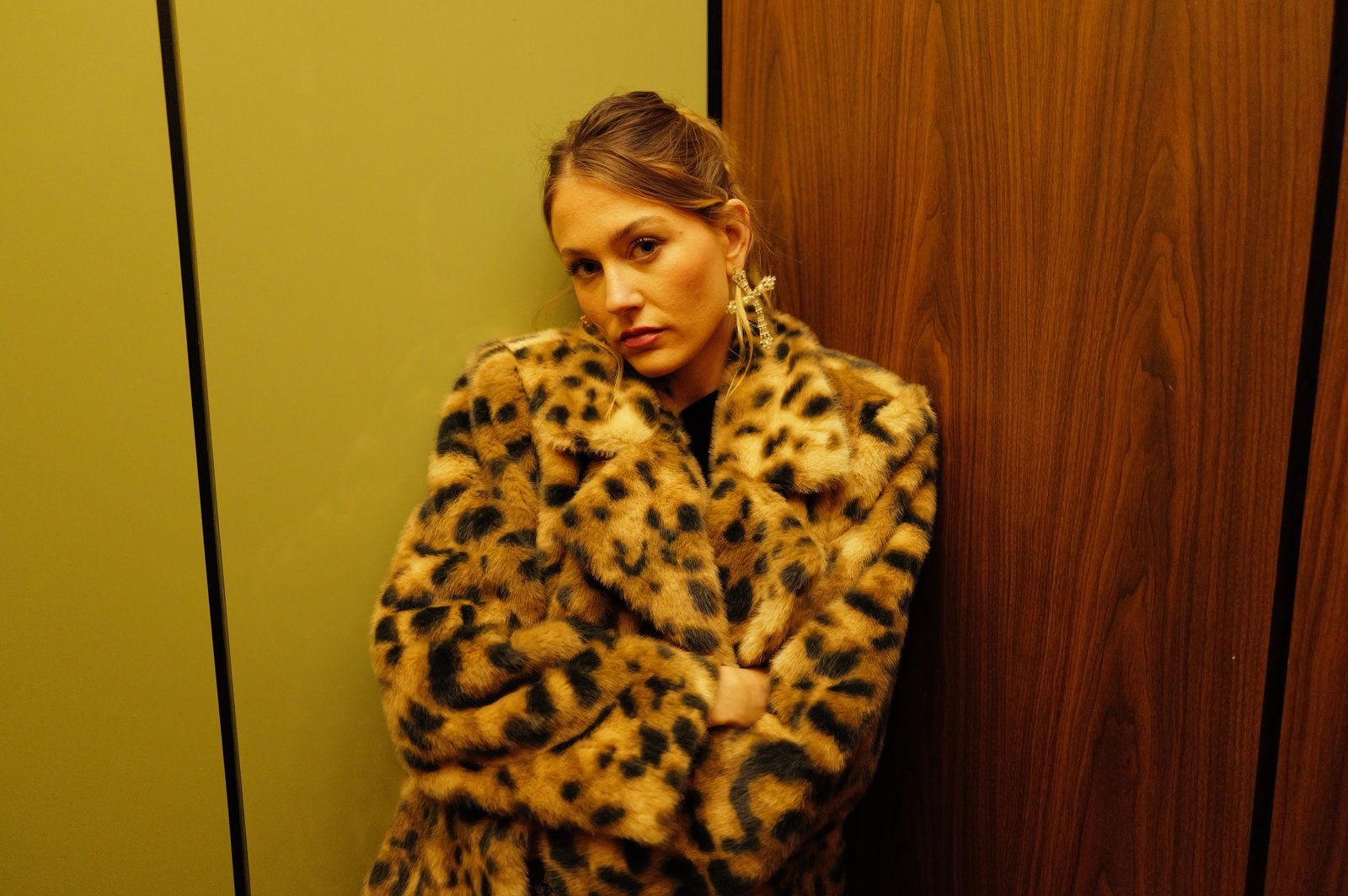
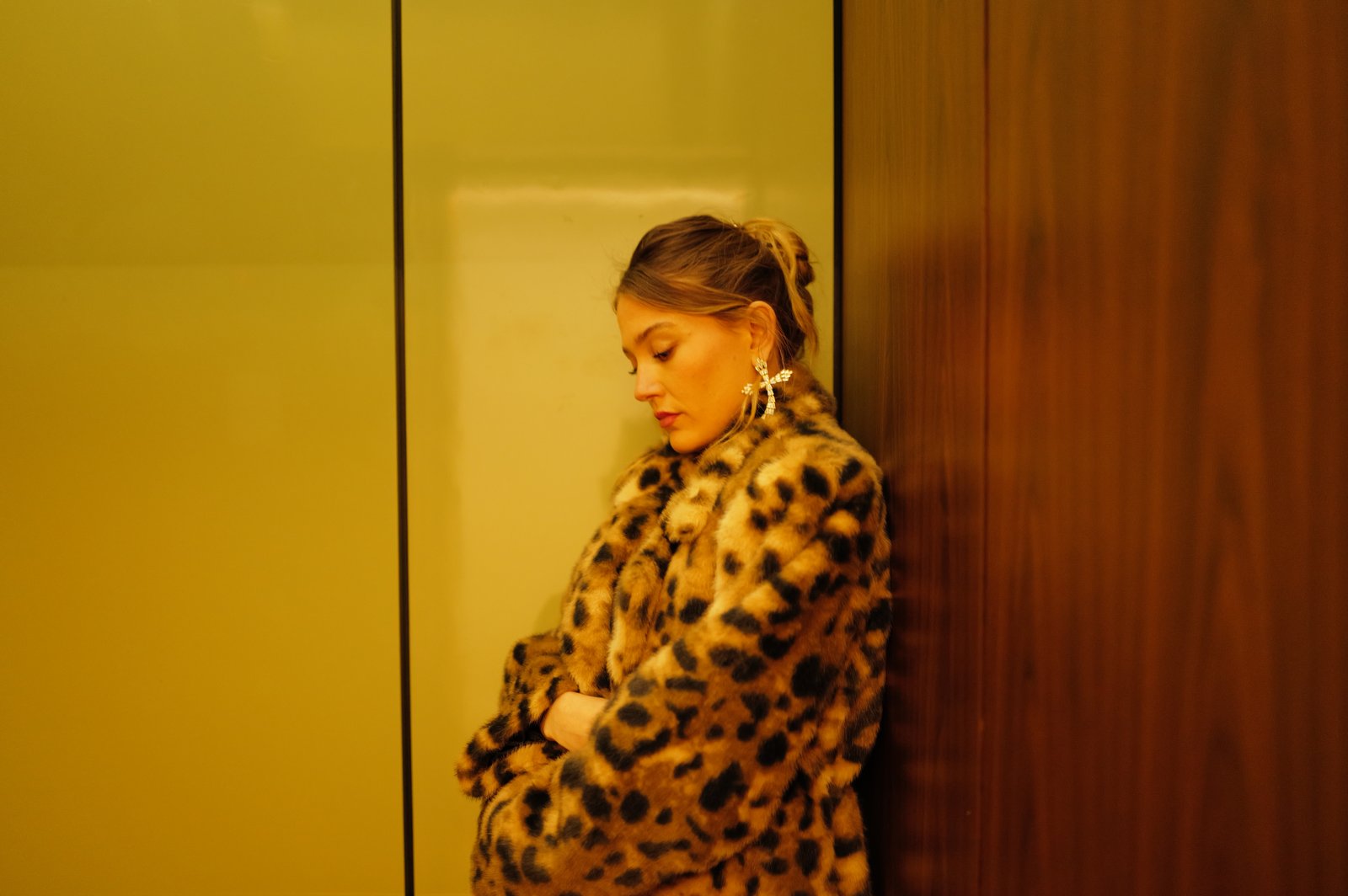
Princess in Her Prime maps one woman's New York across a single night. From scaffolding to karaoke bar, gold elevator doors to the back of a taxi. The styling treats leopard print not as a statement but as a second skin, layered against pearls and the particular glamour of someone who got ready in ten minutes and looks like it took three hours.
Creative Direction, Styling & Photography
Ainsley Maguire
Model
Georgina O'Keef
For
Maguire Magazine
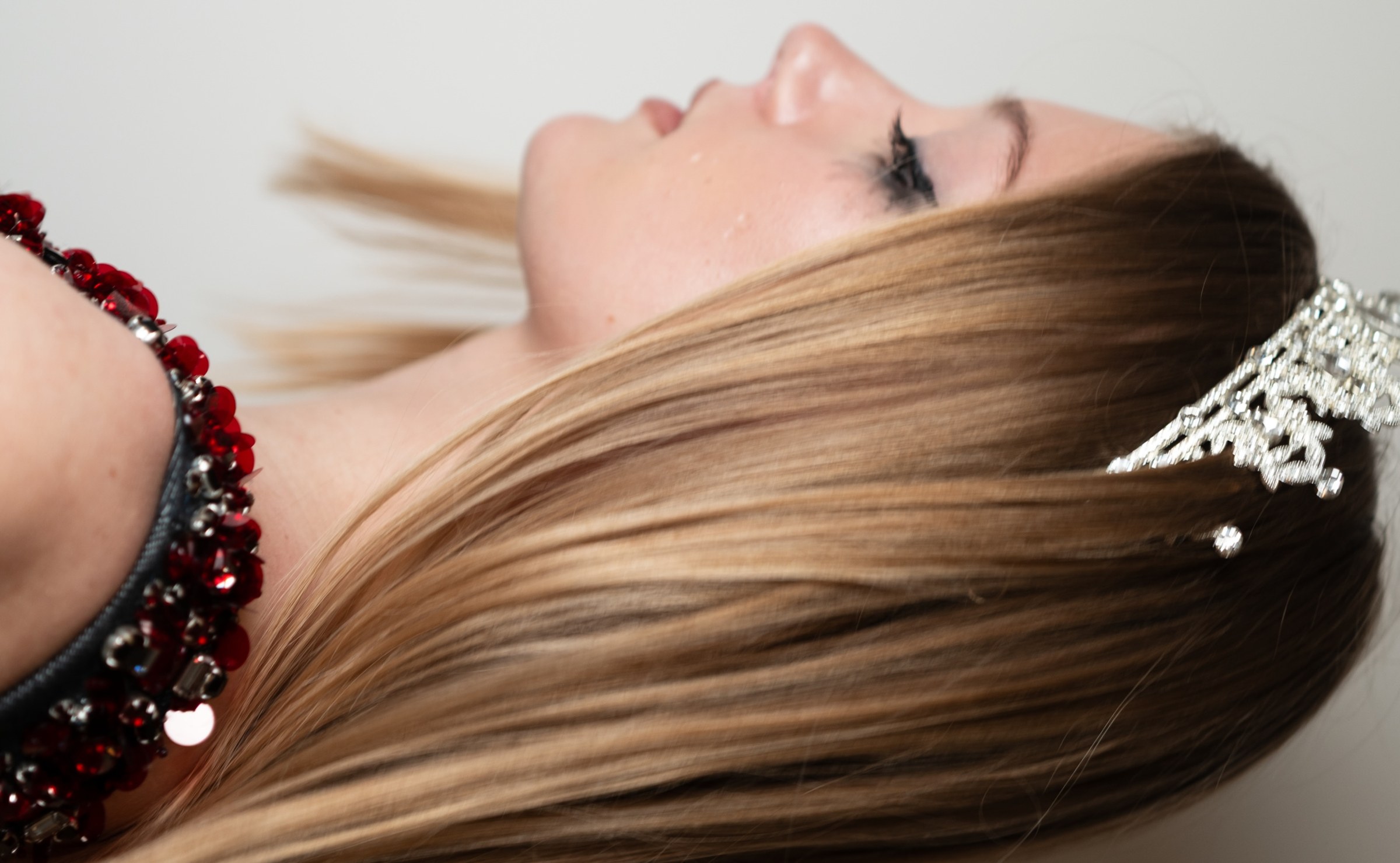
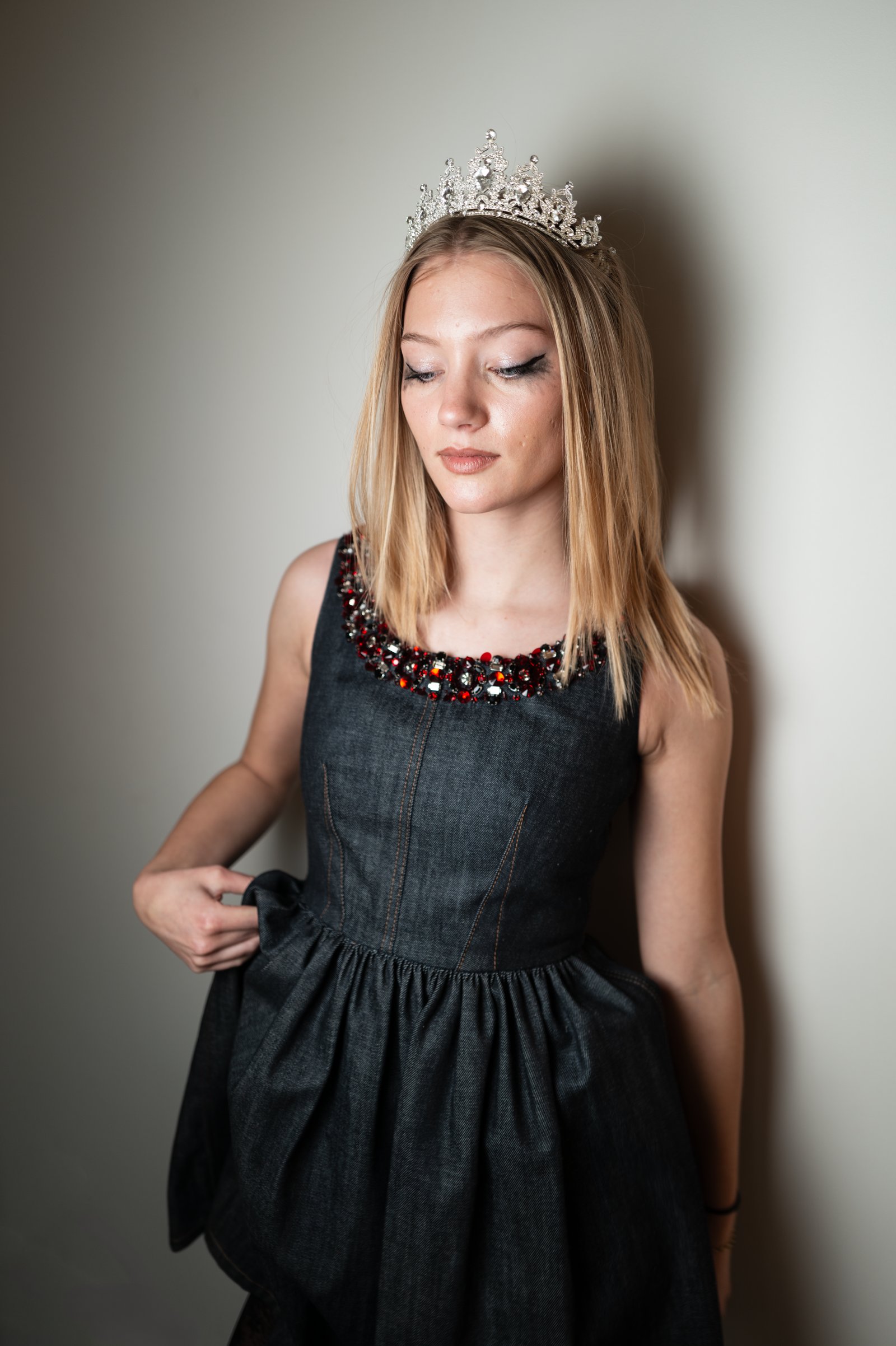
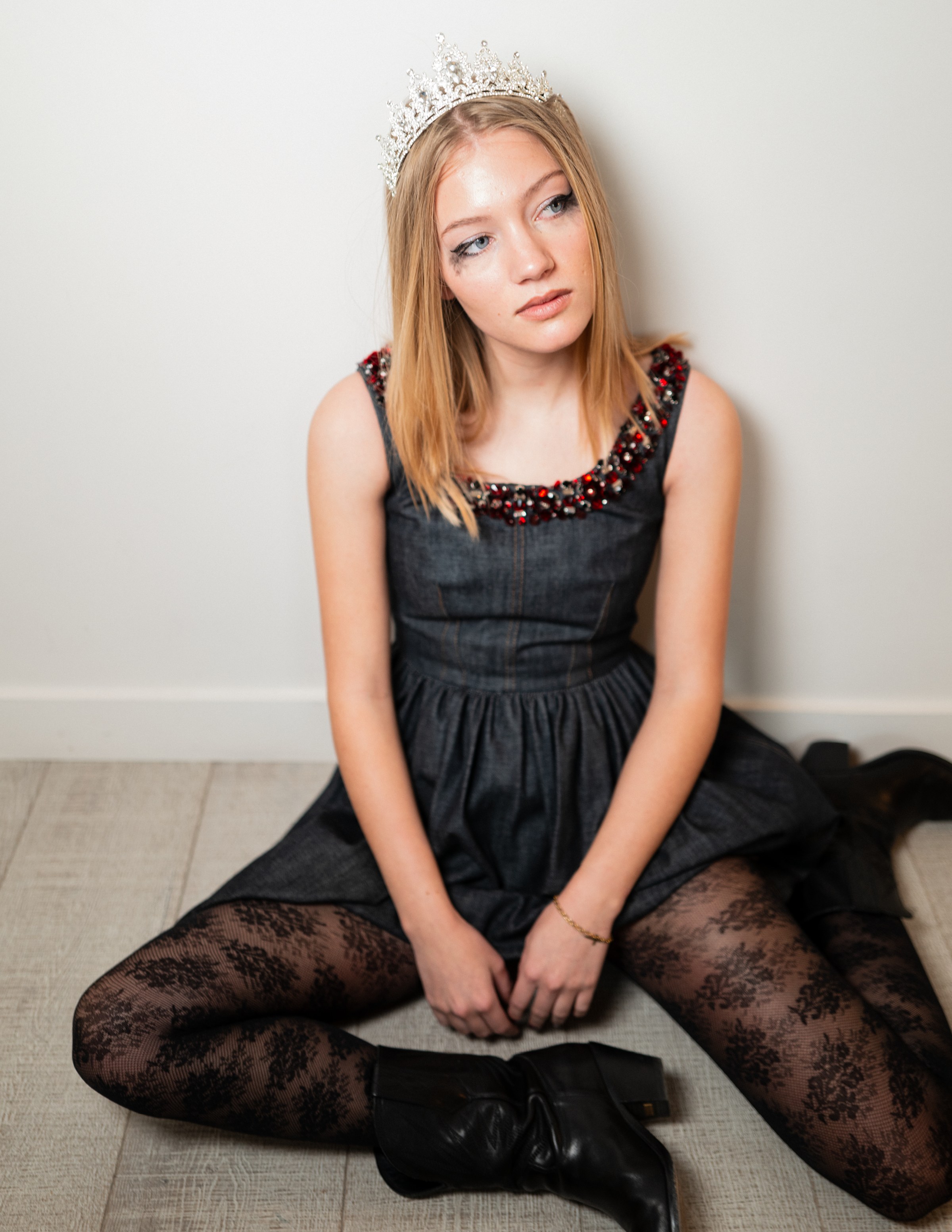
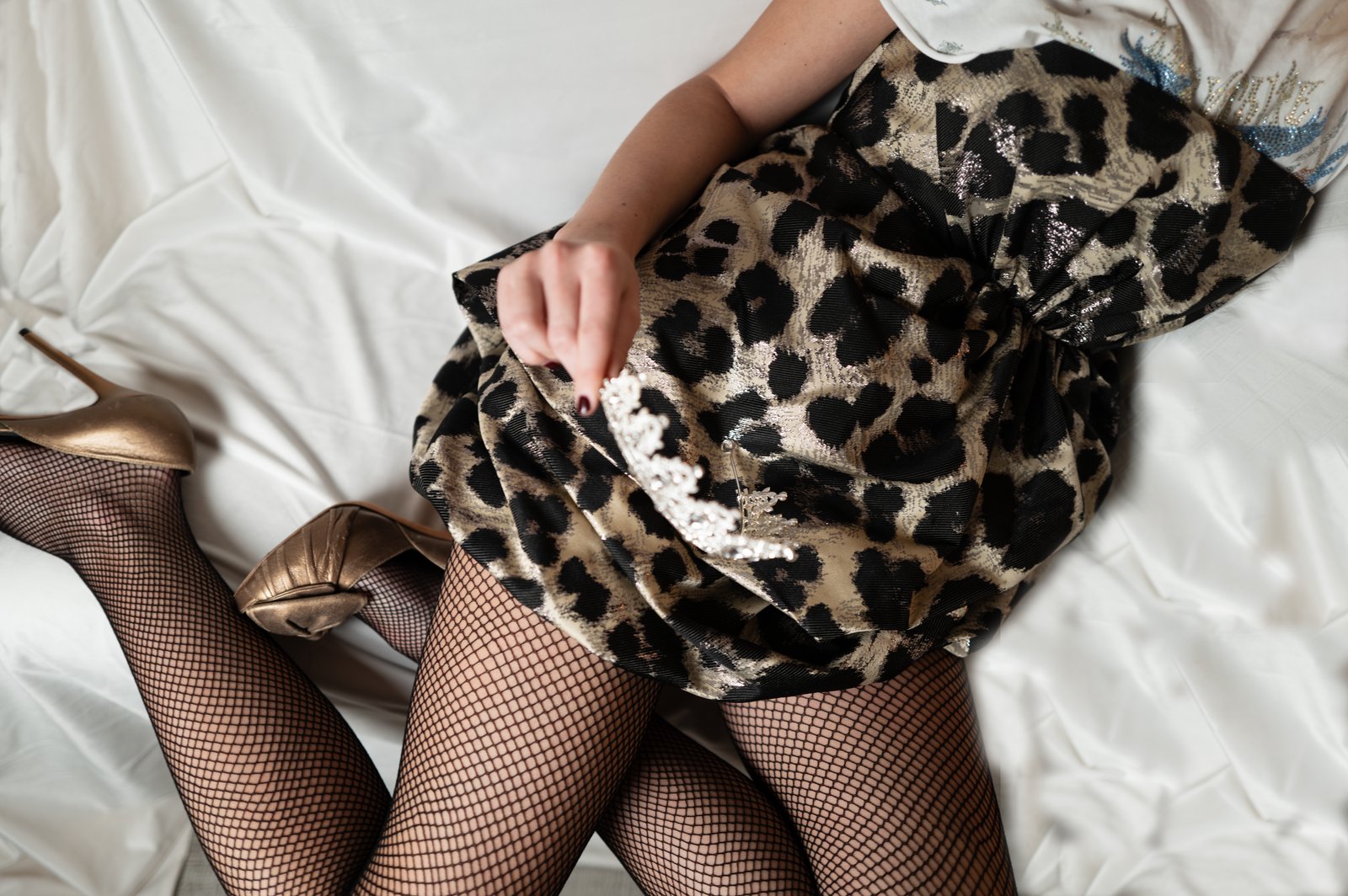
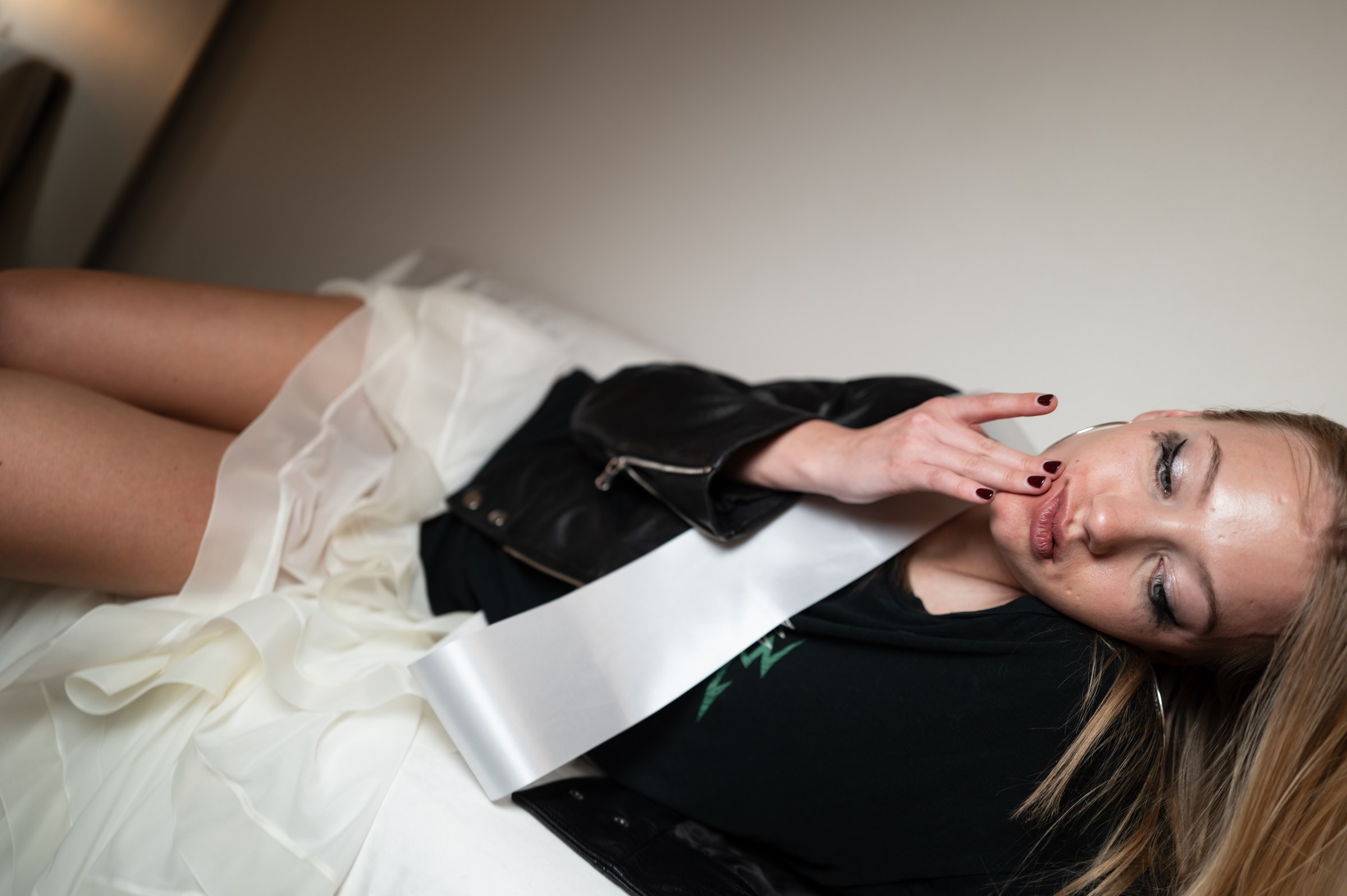
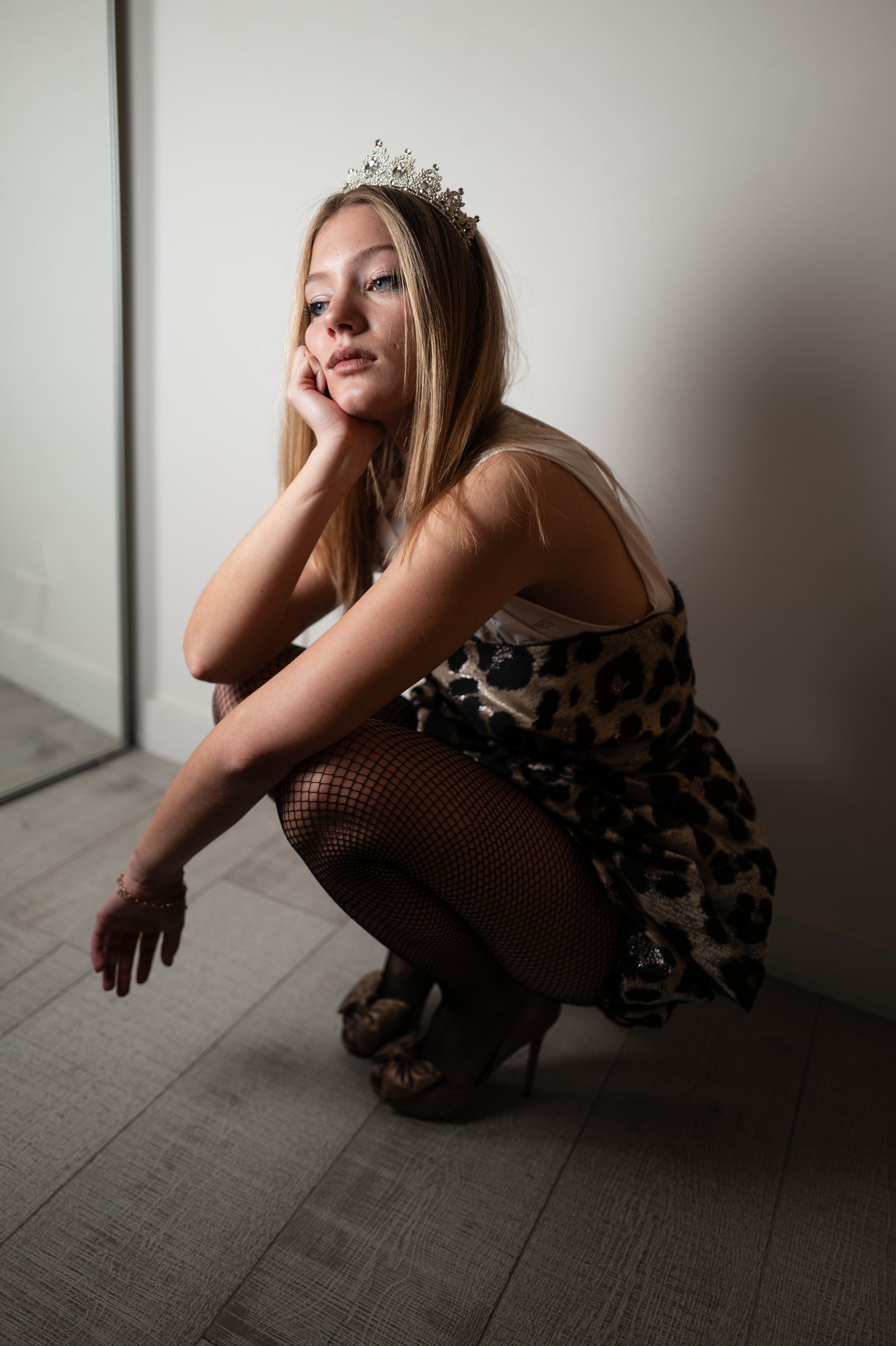
The tiara stays on. The mascara doesn't. Crybaby is about what happens after the performance ends and the costume starts to slip. It's the beauty queen at 2am, the parts of femininity that aren't supposed to be photographed.
So many girls have been considered "it," and somehow "it" always comes with the best marketing. Her aesthetic seems so natural. That is the whole point.
Words by Ainsley Maguire
The it girl plays a key role in today's pop culture. Across almost every social feed, fashion campaign, and casting choice, she is familiar before she is known. From niche to mainstream, she is the girl of the moment, or the girl just before the moment. Brands that want to resonate with Gen Z are searching high and low for the it girl who will guarantee views, likes, and shares. And here is where we ask ourselves: are it girls really "it" if they do not innately have it?
So many girls have been considered "it," and somehow "it" always comes with the best marketing. And that is the thing nowadays: marketing a woman who is publicly confident in herself as the new it girl is not a coincidence. Her aesthetic seems so natural, but that is the whole point. Her public appearances are rarely solo. She is always with her posse: hair-stylist, makeup artist, stylist, creative director, and much more.
We often look at the it girl of the moment, see her life, and want it, admiring the nonchalance and desiring the ease.
The construction of the it girl is itself a fashion act. She is dressed, styled, positioned, and lit before the camera ever arrives. The "natural" is rehearsed. The effortlessness is the most effortful thing in the room. And yet we consume it as though it were accidental, as though some women are simply born with a quality that the rest of us lack.
What if the it girl is not a person but a garment? Something put on, adjusted, worn for a season, and then retired. The label has never belonged to the woman wearing it. It belongs to the industry that assigned it, the audience that consumed it, and the cycle that will replace her when the next one arrives.
Fashion
Another Fashion Show at A Museum?
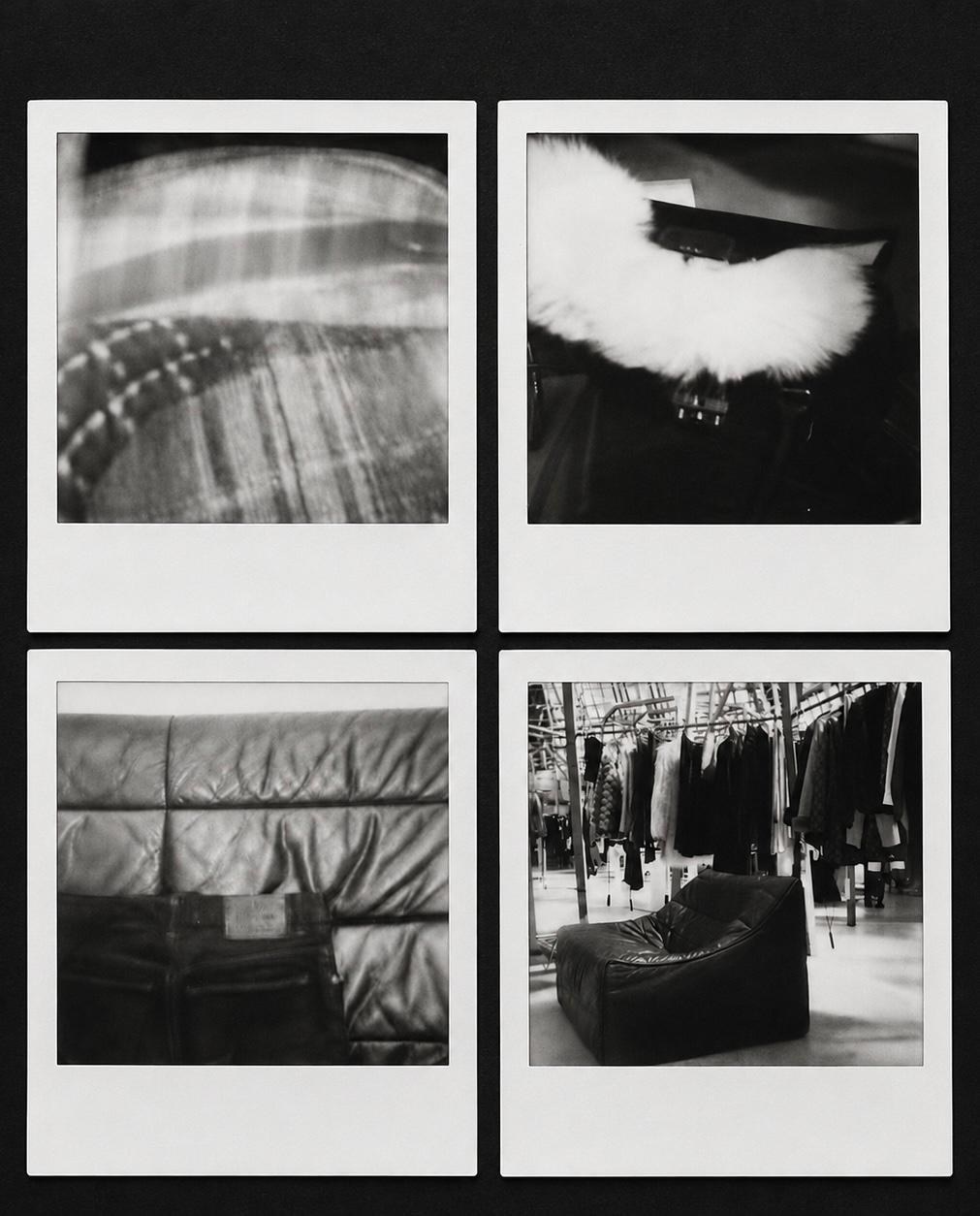
When the runway moves into the gallery, who benefits? The house gets the backdrop. The institution gets the press. But what does the work itself lose when it becomes a set?
Words by Ainsley Maguire
Another season, another show staged inside a museum. The marble floors, the institutional lighting, the silent authority of art history pressed into service as a runway backdrop. It has become the default move for any house that wants to signal seriousness: borrow the weight of the museum, dress the models in its gravitas, and let the Instagram grid do the rest.
The question is not whether fashion belongs in museums. It does. Clothing is material culture, and the best of it is as complex as anything hanging on the walls. The question is what happens when the museum becomes a set rather than a context. When the paintings become wallpaper. When the institution's authority is borrowed rather than earned.
The museum becomes a set. The paintings become wallpaper. The institution's authority is borrowed rather than earned.
There is a version of this that works. When a designer's practice is genuinely in conversation with the art — when the collection responds to the space rather than just occupying it. And there is a version that is simply real estate: a beautiful room, rented for the evening, emptied of meaning by the time the front row sits down.